
The Ministry of Internal Affairs’ National Anti-Human Trafficking Office has initiated an investigation into the trafficking of 14 Burundians into Uganda, allegedly orchestrated by two notorious human traffickers, Pieri Ndayisenga and Shaban Serungaya.
The duo stands accused of selling the victims to a farmer in Gomba district, promising them lucrative employment opportunities as gardeners and shepherds in Uganda. This comes as the United Nations Office on Drugs and Crime (UNODC) warned that there has been an increase in transnational crimes in eastern African region such as human trafficking, drugs and wildlife products due to economic difficulties and personal greed.
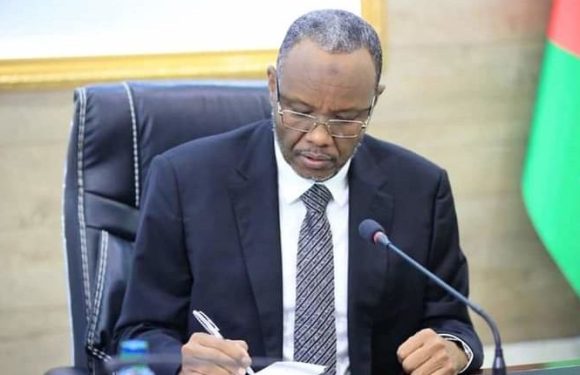
Derrick Basalirwa Kigenyi, the Ugandan Deputy Coordinator of the National Coordination Office Against Human Trafficking, revealed that the victims were trafficked in November 2023 under false pretenses. Initially led to believe they would receive regular pay for their work, they soon found themselves exploited as casual laborers without compensation.
The exploitation came to light when the victims demanded wages from the employer, only to discover that the money had already been paid to the traffickers. Ndayisenga and Serungaya are alleged to have facilitated the exploitation, with Ndayisenga acting as the intermediary between the traffickers and victims.
Further investigation revealed that all 14 trafficked Burundians possessed SIM cards registered under Ugandan names, raising concerns about identity theft and fraudulent registration practices. Authorities are now delving into how non-Ugandans obtained SIM cards registered under Ugandan identities.
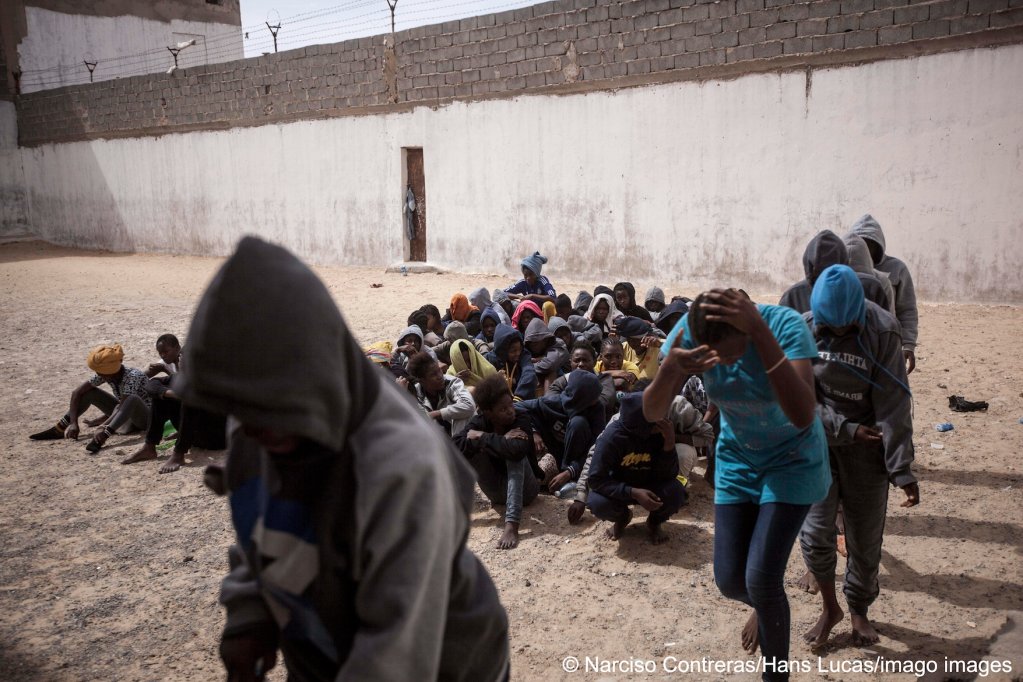
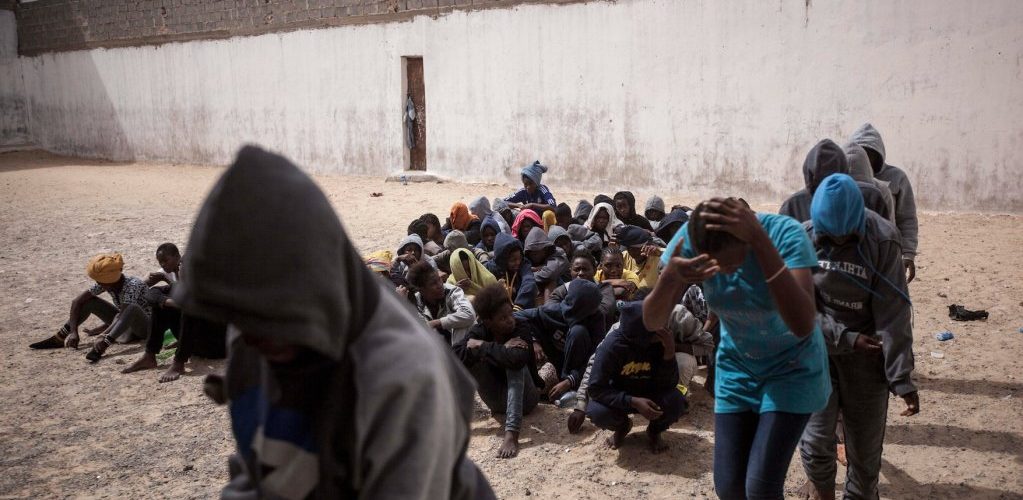
In a separate incident, three individuals were apprehended for trafficking three Somali nationals with the intent of selling them into slavery in Libya. Daniel Gatikosh, a South Sudan national, confessed to trafficking the women from Somalia through Kenya to Uganda.
“When we smuggle these women from Somalia, we use Kenyan borders and find ways of making them reach Uganda. Here (Uganda) they spend like a month or two and we then take them to Elgu town from where we find means to reach South Sudan, Sudan, and Libya,” Gatikosh alleged during interrogation.
Gatikosh, Abudhi Khadir, and another man were recently arrested at Elgu border town with the females waiting to cross into South Sudan.
“I am a Somali national and I have been doing this job for some months. The girls paid us $3,000 and we were going to sell them for more than $10,000. These people trust us,” Kadhir allegedly said.
Some of the victims were destined for forced labor, while others were targeted for organ harvesting. Kigenyi emphasized the serious risks faced by trafficked individuals, including exploitation, slavery, and violence.
The Ministry of Internal Affairs and law enforcement agencies are intensifying efforts to combat human trafficking and hold perpetrators accountable for their crimes.
Across the eastern African region, UNODC says that human traffickers take advantage of conflicts, humanitarian disasters and the vulnerability of people in situations of crisis. Men, women and children are abducted and sold for sexual exploitation and forced labour.
Besides human, trafficking of heroin, cocaine, cannabis and amphetamine-type stimulants (ATS) into and through Eastern Africa is increasing. The international airports in Nairobi, Kenya, and Addis Ababa, Ethiopia are key entry points for illicit drugs into the region, primarily due to the frequent commercial flights from Asia and the Middle East. The seaports of Dar es Salaam and Mombasa are also entry points favoured by drug traffickers.
Among the motivating factors for transitional crimes, according to UNODC include; the growing domestic market for illicit drugs in East Africa and the entire African continent; inadequate trafficking controls, making Eastern Africa a convenient transit point for drug trafficking to the African continent at large, Europe and North America. These are facilitated by widespread corruption amongst law enforcement and customs officers based at the seaports and airports in the region.