

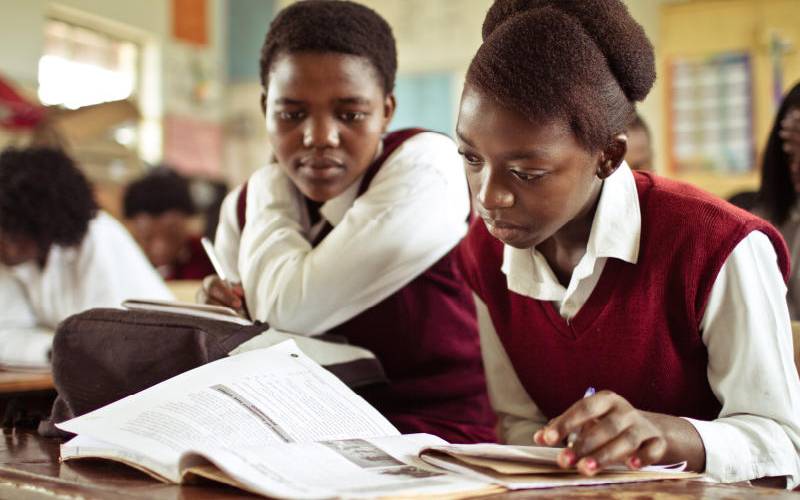
Embracing the Competency-Based Curriculum (CBC): A Path to Kenya’s Educational Future
The Competency-Based Curriculum (CBC) programme is pivotal in Kenya’s education system, implemented for almost eight years.
Teachers, parents, and legislators are divided on the CBC, which was introduced to transform the nation’s educational system to suit the demands of the 21st century better.
Despite ongoing challenges, there is a strong argument for embracing the CBC and focusing on collaborative efforts to enhance its effectiveness.
Compared to the traditional 8-4-4 system, which emphasised a knowledge-based curriculum where grades were paramount, the CBC represents a significant shift. The 8-4-4 system often prioritized memorization and exam performance over skill development.
Ibrahim Wanyoike, an experienced teacher of religion and languages (Swahili, Arabic, and Gikuyu), aptly describes the old system as producing “jacks of all trades but masters of none”—students who knew many things about everything but not enough about one specific area to truly master it.
In contrast, the CBC values critical thinking, skill development, and the application of knowledge in real-world situations. It encourages students to explore their talents, allowing them to execute any skill or passion they desire, ensuring that they don’t gamble with their future but rather start executing it at a very tender age. As the saying goes, practice makes perfect—and this is exactly what the CBC aims to instil in learners.
Wanyoike, who has taught at schools such as Aquinas Secondary School, Our Lady of Mercy Secondary School, and presently at Loresho Mixed Secondary School, has seen firsthand the transformative potential of the CBC.
He believes that students should be allowed to concentrate on what they are good at rather than conforming to societal expectations. “We’re different cohorts of individuals in life,” he says. “It’s better to focus on your strengths and passion.”
The CBC encourages this focus on individual talents, emphasizing that it is the basis of a successful country. Being competently knowledgeable—having both the knowledge and the skills to apply it—is far more rewarding than simply acquiring knowledge without competence.
This approach not only helps learners achieve better academic outcomes but also prepares them for the demands of future employment and the complexities of modern life.
Prof. Gikunda Murithi, a lecturer at Kenya Methodist University (KeMU) in Kabete, strongly supports this view. “CBC is practical and inclusive—it involves parents and communities from womb to tomb,” Murithi asserts.
He sees the active participation of parents in the CBC as essential, despite some resistance. “Many parents are resistant to CBC because it forces them to get directly involved in executing teaching roles at home. “These infrared and remote control parents are often against CBC because it requires a hands-on approach,” Murithi explains.
However, this involvement is crucial for the success of the curriculum, as it ensures that learning continues beyond the classroom. “If you can’t apply what you’ve been taught, you’re not adding value,” he emphasizes, highlighting the CBC’s focus on practical, usable skills.
Success in today’s globalized environment goes beyond academic subject mastery. The CBC challenges students to apply their knowledge to real-life situations, helping them become more adaptable and skilled at solving problems.
This hands-on approach ensures that students have both the knowledge and skills to use in various scenarios. Through CBC’s engagement with projects and assignments that reflect real-life challenges, students are better equipped to navigate the complexities of the global economy and make meaningful contributions to society.
One of the key strengths of the CBC is its flexibility, allowing students to explore subjects that align with their interests and strengths. Unlike the previous one-size-fits-all approach, the CBC recognizes individual talents and fosters them from an early age. This flexibility not only increases student motivation and engagement but also cultivates a culture of lifelong learning and personal growth.
Despite its potential, the CBC has faced challenges in its implementation. Educators and stakeholders have pointed out issues such as outdated learning materials, unequal resource distribution among schools, and inadequate teacher training.
Close collaboration between teachers, school administrators, policymakers, parents, and communities is essential to address these concerns effectively.
Teachers like Ibrahim Wanyoike believe that continuous professional development, equitable resource allocation, and the creation of frameworks that support curriculum innovation should be prioritized.
Collaboration between the public and private sectors can also amplify the CBC’s impact. Partnerships with corporations, NGOs, and community groups can provide students with access to valuable resources, mentorship, and practical experiences.
As Kenya looks to the future of its education system, adopting and improving the CBC is not just a choice but a necessity. By building on its strengths, addressing its challenges, and committing to continuous improvement, Kenya can position itself as a leader in innovative educational practices both locally and globally.
The CBC is a bold step in the right direction toward transforming Kenya’s education system. By embracing its principles of competency-based learning, personalized education, and real-world relevance, Kenya can empower its students to thrive in a globalized and rapidly changing world. With a focus on collaboration and a commitment to educational excellence, Kenya can ensure that all students have access to the opportunities they need to succeed.
