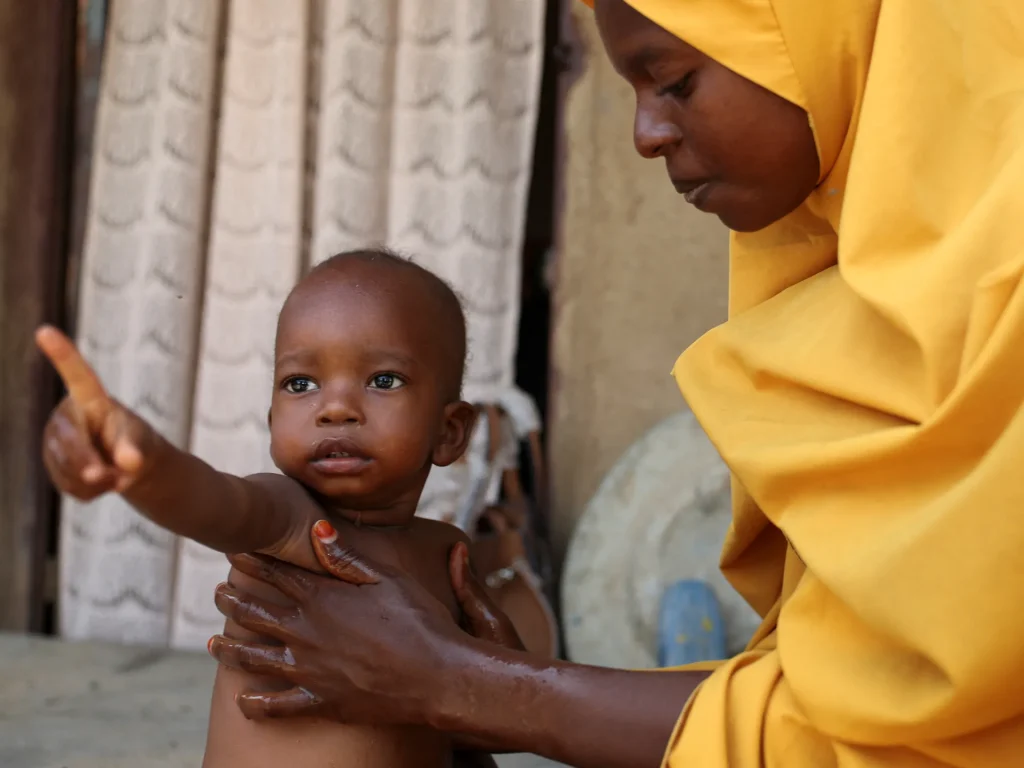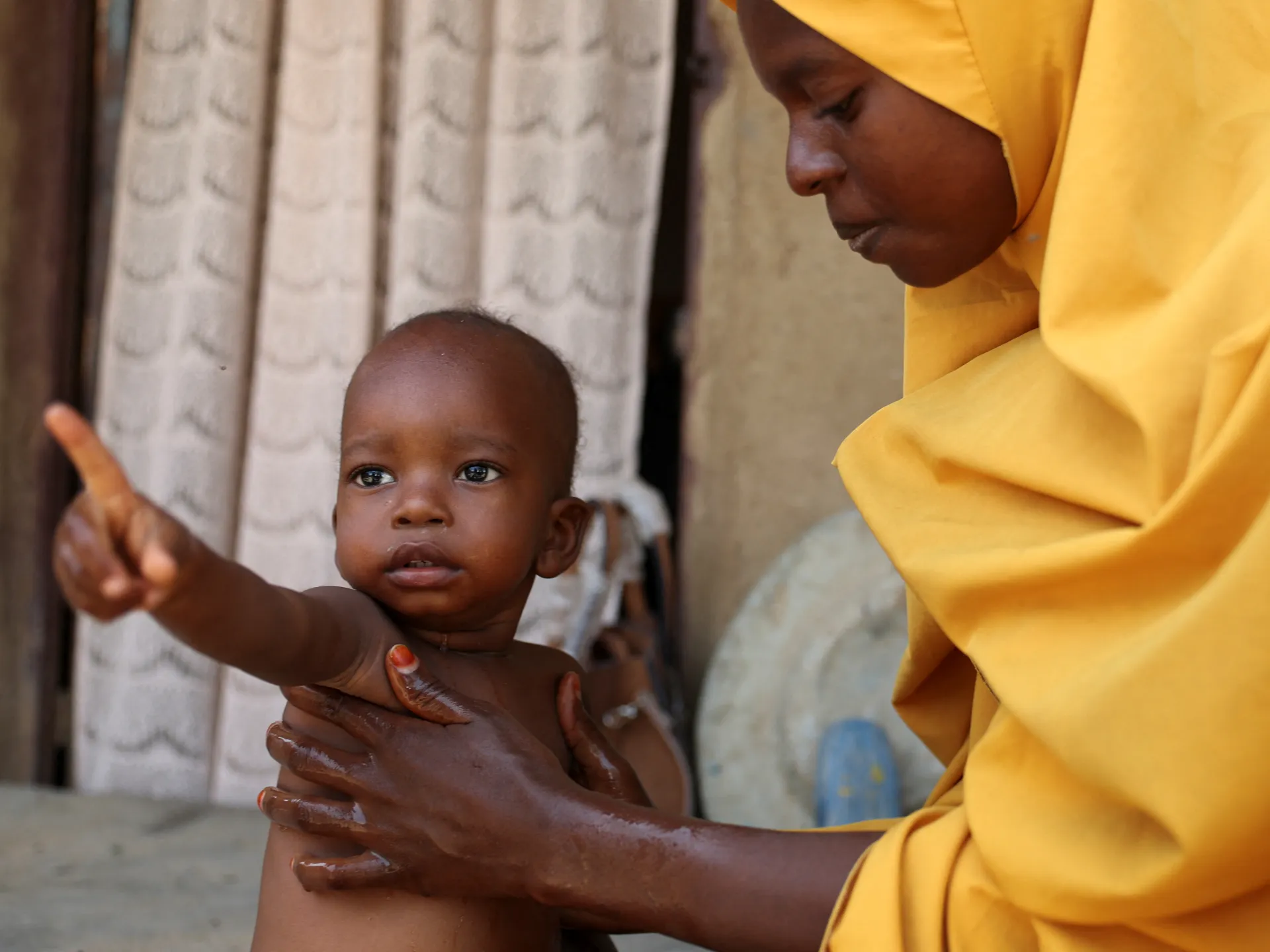
Denmark’s LEGO Foundation and its partner Co-Impact Launch have a $30 Million Partnership to enable 2.5 million conflict-affected children in Kenya and Nigeria to learn peacefully.
The partnership will provide long-term, multi-year funding to locally rooted and refugee-led organisations supporting public systems to improve education and wellbeing outcomes for millions of children affected by conflict and crisis.
In Kenya, hundreds of thousands of refugees and people living in Arid and Semi-Arid Lands (ASALs) experience significant trauma, school dropouts, and exploitation due to intercommunal violence. These vulnerabilities are frequently exacerbated by displacement, climate shocks, and limited access to national protection and education systems.
On the other hand, in Nigeria, children afflicted by conflict endure dire humanitarian situations, especially in the northeast, northwest, and north-central parts of the country. Mass displacement, high absenteeism rates, and serious violations of children’s rights have resulted from the violence of armed groups like Boko Haram and the Islamic State West Africa Province (ISWAP).
A report released by LEGO Foundation on May 18 says that more than one in six children globally are affected by conflict or crisis, thus humanitarian assistance plays a vital role in responding to immediate needs. However, in protracted and recovery contexts, short-term responses alone cannot address the scale or persistence of these challenges.
According to Arek Alami, Head of International Programmes at the LEGO Foundation, education is about more than what happens in the classroom. “Children’s ability to learn and thrive is shaped by their health, well-being, and the environments around them. When education is designed to meet the realities of trauma and displacement and when teachers, schools, and families are supported in that process, classrooms and communities can become places of stability, healing, and possibility,” said Mr Alami.
Research shows that across many conflict-affected settings, children who return to school often struggle to learn or feel safe, as education systems are frequently under-resourced and not equipped to address trauma. At the same time, fragmented funding and short-term interventions can limit long-term impact.
This partnership seeks to address these challenges by supporting locally led solutions so that they can be embedded into public systems, strengthening them for the long term.
LEGO Foundation and Co-Impact will provide multiyear, flexible funding and strategic support to local and refugee-led organisations, enabling them to work alongside governments and communities to shape policy, unlock sustainable financing, train teachers, support families, and improve accountability.
The LEGO Foundation is a Danish corporate foundation working with partners around the world to support children’s needs and champion the dignity of childhood. The foundation exists to build the conditions – and create the space – for every child, everywhere, to thrive and grow.
Co-Impact brings together local change makers and funders from around the world to make health, education and economic systems stronger and more inclusive.
“Making systems work for children affected by conflict and crisis is a responsibility and opportunity. We want to make this opportunity a reality by bringing what we have learnt over the past decade to this issue,” said Awo Ablo, President, Co-Impact.
He said that his organisation know that when they back local leaders with strategic support and long-term flexible funding, they can work with governments to scale their solutions through public systems.
In partnership with the LEGO Foundation, they are applying that approach and investing in local leaders who are widening the aperture of what it means to support children’s education and wellbeing.
“They understand the systems that shape children’s lives, and they know that a child’s ability to thrive is shaped both inside the classroom and far beyond it,” he said.
Why Focus on Kenya and Nigeria?
Kenya and Nigeria have been selected due to both the scale of need and strong government commitment to improving education in crisis-affected settings.
In Nigeria, an estimated 17.8 million children are out of school—nearly half in conflict-affected areas—making it the largest education crisis in Africa. Government initiatives such as the Safe Schools Initiative and the National Policy on Safety, Security and Violence-Free Schools highlight a clear commitment to addressing this challenge.
In Kenya, more than 250,000 refugee children remain outside the national education system, while climate-related shocks have pushed an additional 2 million children out of school. The government’s pioneering Shirika Plan signals a strong focus on expanding access and inclusion of refugees into national systems.
By aligning with these national priorities, the LEGO Foundation and Co-Impact aim to support sustainable, government-owned solutions that strengthen systems at both national and subnational levels—moving beyond short-term interventions to lasting impact.
This partnership is intentionally designed as an invitation for other funders to join a shared vision and an integrated approach. By aligning investments across education and complementary sectors such as health and nutrition.
This is particularly so with WASH (Water, Sanitation, and Hygiene), where the two partners have been able to reinforce the conditions across schools, homes, and communities that enable children to learn and thrive while strengthening the public systems designed to serve them.