Kenya’s Constitution, established in 2010, is hailed as one of the most progressive in Africa.
Its Bill of Rights enshrines essential civil liberties and freedoms, which are the bedrock of democracy, ensuring that every Kenyan is afforded dignity, equality, and the ability to participate fully in the nation’s political and social life.
However, the unjust arrest of activist Prof Fred Ogola among others on August 26, 2024—while they were collecting signatures for 1 million people provided in the law to change the constitution—raises serious concerns about the extent to which these rights are genuinely respected and protected by the authorities.
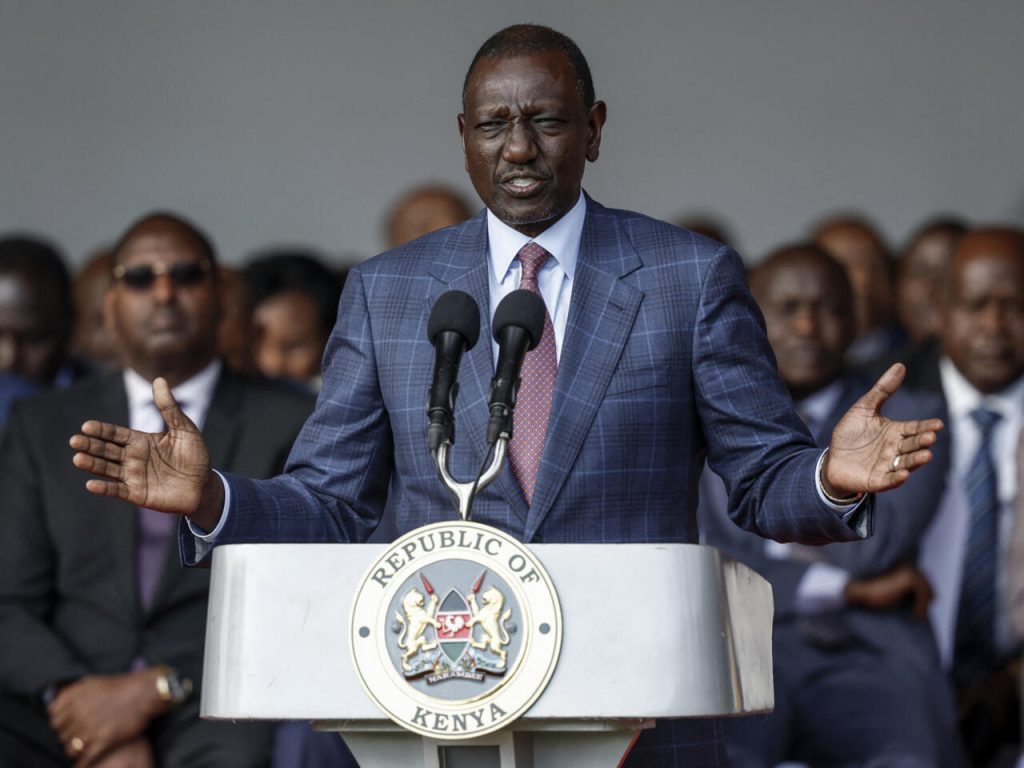
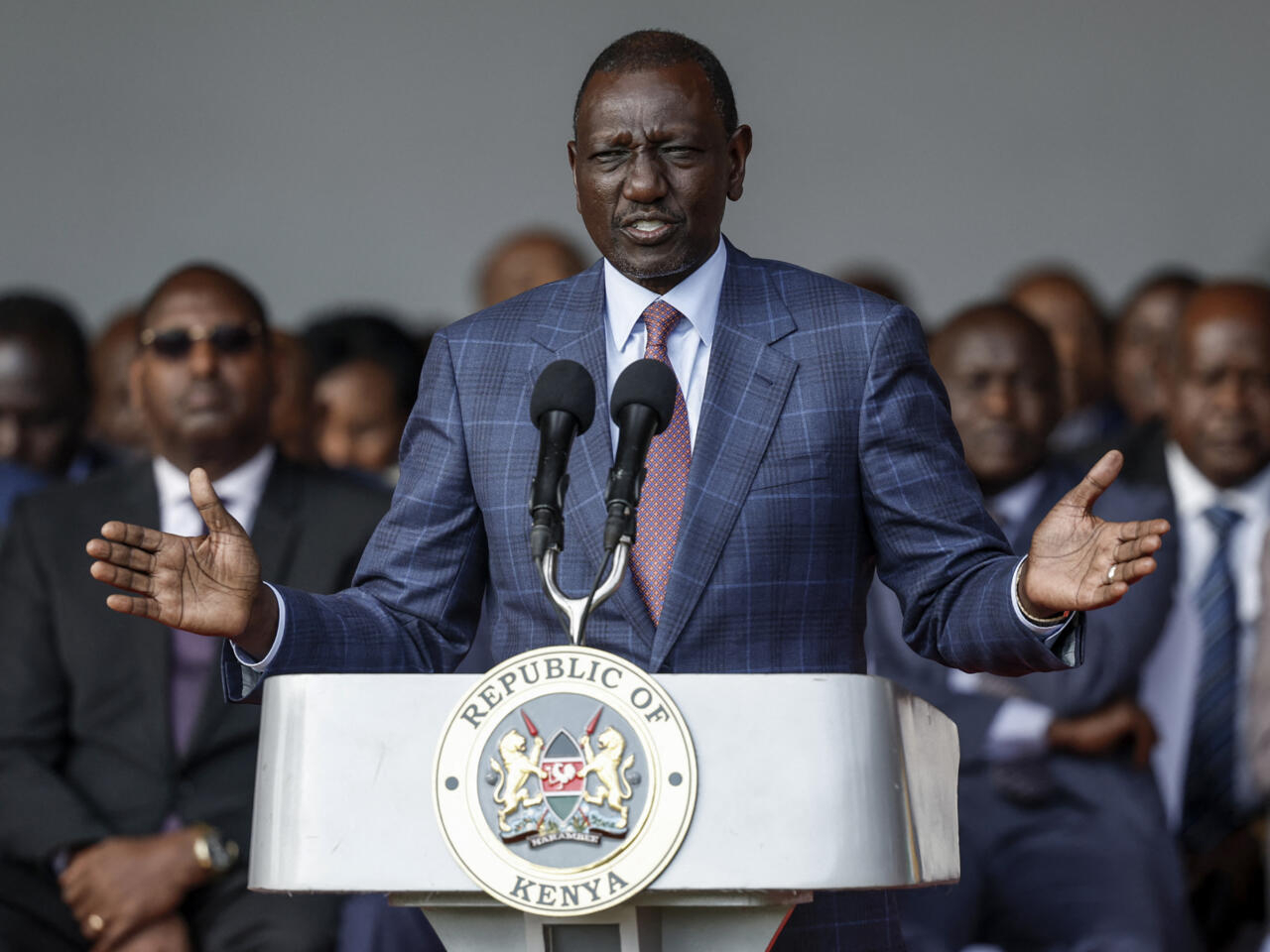
Since coming to power in 2022, President William Ruto has been known to disrespect court orders. He is threatening the soul of law and order by trying to water down the Bill of Rights.
The Bill of Rights in Kenya’s Constitution covers a broad spectrum of protections, providing a framework that guarantees the fundamental freedoms necessary for a democratic society.
Freedom of Expression (Article 33), guarantees the right to freely seek, receive, and impart information and ideas.
It forms the foundation of a free press and allows citizens to voice their opinions on public matters without fear of censorship or retribution.
Freedom of Assembly, Demonstration, Picketing, and Petition (Article 37), empowers every person to peacefully assemble, demonstrate, picket, and present petitions to public authorities.
This right is crucial for public participation in governance and for the expression of collective concerns or demands. But since 2023 when the police killed over 50 protesters, including clobbering people asleep in their houses at night, the hand of Ruto as no respecter of the Bill of Rights and the constitution in general, was shown.
Protests by the Generation Zoomers, commonly known as Gen-Z over poor governance, wastage of public funds and corruption have made the Ruto government even more vicious. There have been kidnapping people off the streets by hooded police—with no guarantees whether they are law enforcement officers of goons.
Political Rights (Article 38), provides every citizen with the right to campaign and participate in political activities, including voting and running for public office. It ensures that all citizens have an equal opportunity to influence the country’s political direction.
Like the right to a fair hearing (Article 50). Every person has the right to have any dispute that can be resolved by the application of law decided in a fair and public hearing before a court or other independent and impartial tribunal or body.
Human Dignity (Article 28), every person has inherent dignity and the right to have that dignity respected and protected. This principle underlies the entire Bill of Rights, ensuring that all other rights are interpreted and enforced in a manner that upholds human dignity.
These rights are designed to empower citizens to engage in the democratic process without fear of retribution. However, the events of August 26, suggest a disturbing trend where these fundamental rights are being systematically undermined by those in positions of power.
Fred Ogola and another activist, Kasmuel McUore among others were engaged in a lawful and constitutionally protected activity—collecting signatures for a petition intended to address critical social and political issues in Kenya.
Their actions were a direct exercise of their rights under Article 37, which allows Kenyans to present petitions to public authorities. Despite this, they were arrested by the police, a clear violation of their rights to freedom of assembly, expression, and political participation.
The circumstances surrounding their arrest are deeply troubling. Reports suggest that the police acted without a warrant, relying instead on vague allegations of disturbing the peace. Such actions are not only a violation of the specific rights guaranteed by the Constitution but also an affront to the very principles of justice and due process.
This incident reflects a broader pattern of abuse by law enforcement authorities in Kenya, where citizens exercising their constitutional rights are met with intimidation, brutality, and false accusations.
The arrest of Ogola and McUore is not an isolated case; it is emblematic of the systemic issues within Kenya’s law enforcement agencies, where power is often wielded to silence dissent and suppress civic engagement.
In a society where the police are frequently viewed as instruments of oppression rather than protectors of the public, many Kenyans are understandably hesitant to assert their rights.
The fear of police brutality, intimidation, and the planting of evidence—a tactic frequently used to criminalise innocent citizens—creates a chilling effect on civic participation.
This atmosphere of fear and repression stifles democracy and undermines the very essence of the Bill of Rights. When citizens are too afraid to speak out or engage in peaceful protest, the foundations of democracy begin to crumble, leaving the country vulnerable to authoritarianism.
The reluctance of Kenyans to exercise their rights is not merely a personal choice but a reflection of a deeply entrenched system of intimidation and control that has been allowed to flourish unchecked.
Organisations like Amnesty International have been at the forefront of advocating for human rights and social justice in Kenya. Amnesty has consistently highlighted the issues of police brutality, unlawful arrests, and the violation of basic freedoms.
For Kenya to move forward as a truly democratic nation, the government and law enforcement agencies must prioritise the protection of citizens’ rights.
Authorities must allow citizens to exercise their rights to free expression, assembly, and political participation without fear of retribution. This involves not only protecting these rights in law but also ensuring that they are respected in practice, with clear penalties for those who violate them.
The unjust arrest of Fred Ogola and Kasmuel McUore is a stark reminder that the fight for civil liberties in Kenya is far from over. It is a call to action for all Kenyans to stand up for their rights and demand accountability from their leaders.
The Bill of Rights is not just a set of ideals; it is a promise to every Kenyan that their dignity, freedom, and equality will be protected.
The events of August 26, 2024, have shown that this promise is under threat. But it is also a reminder that the power to protect our rights lies in our hands.
It is up to each Kenyan to ensure that the principles enshrined in the Constitution are not merely words on paper but are lived realities for every Kenyan.