Djibouti is a small country in the eastern coast of Africa that is attracting more Western attention similar to the scramble for Africa a century ago.
What can Africa learn from Djibouti that even the most populous country like Nigeria followed by Ethiopia does not grasp? Base diplomacy.
There are questions whether Djibouti is just opening itself up for the entry point for “recolonization” of Africa courtesy of the dollars.
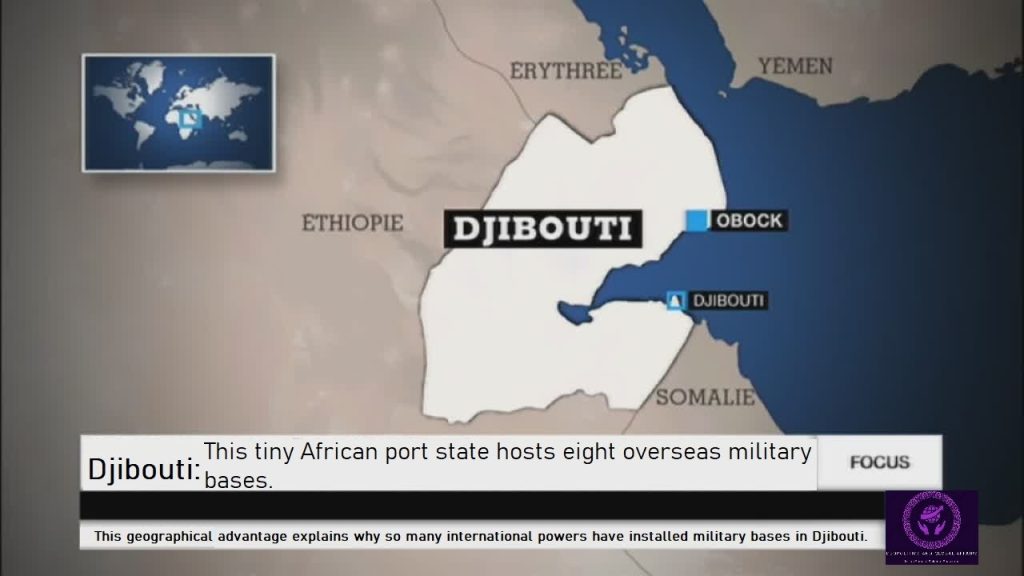
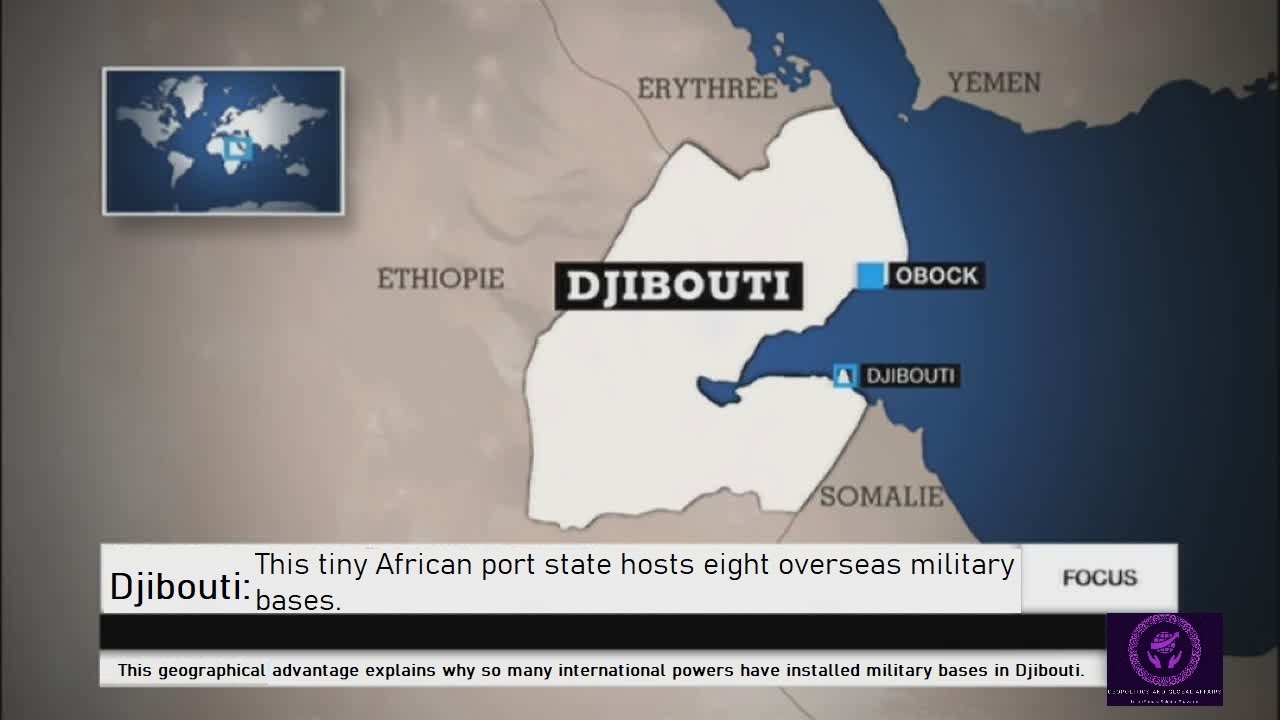
Djibouti is strategically located by the Bab-el-Mandeb Strait, which separates the Gulf of Aden from the Red Sea and controls the approaches to the Suez Canal.
It borders Eritrea to the north, Ethiopia to the west and Somalia to the southeast. To the east, Djibouti has a coastline along the Red Sea and the Gulf of Aden, making it a key maritime gateway between Africa, the Middle East, and Asia.
It is no wonder that major global powers such as the United States, China, France, Italy, and Japan have military installations in Djibouti.
Russia had expressed interest in setting up a military base in Djibouti, but the government is yet to accept the proposal. Russia’s presence would likely have significant implications for regional security dynamics.
The establishment of a Russian military presence could potentially introduce new complexities and competition among these international actors.
Due to its advantageous location at the mouth of the Red Sea and the Bab-el-Mandeb Strait, Djibouti is able to project power throughout the region and have access to important marine trade routes.
There is also the issue of counterterrorism Operations: Djibouti’s proximity to conflict zones such as Somalia and Yemen allows foreign militaries to conduct counterterrorism operations in the region.
With its strategic location, foreign military bases in Djibouti help maintain maritime security and combat piracy in the Gulf of Aden and the Indian Ocean.
Having a military presence in Djibouti contributes to regional stability by providing a deterrent against potential threats and supporting peacekeeping efforts.
The ports of Djibouti are important centers of trade and commerce, and foreign military installations can support the defense of commercial interests and guarantee the safety of shipping routes.
The latest entrant was China, which opened its first overseas base in August 2017. It will reportedly be used as a supply centre for China’s peacekeeping and humanitarian assistance operations.
Saudi Arabia, too, is currently negotiating to open a base, which will be utilised for supporting its military campaign in Yemen.
Hosting foreign military bases can bring significant economic benefits to Djibouti, including rental income, job opportunities, and infrastructure development funded by the presence of foreign military personnel.
Djibouti earns millions of dollars in rent from hosting these bases while the Chinese one and that proposed by Saudi Arabia are accompanied by multi-billion dollar investments too.
Djibouti’s government sees hosting foreign military bases as a way to contribute to regional stability by allowing international powers to conduct counterterrorism operations, combat piracy, and support peacekeeping efforts in neighboring countries.
Djibouti plays a crucial role in Eastern African security due to its strategic location at the entrance to the Red Sea and the Bab-el-Mandeb Strait. Some of the key roles Djibouti plays in Eastern African security include:
Djibouti often serves as a neutral venue for diplomatic negotiations and peace talks aimed at resolving conflicts in Eastern Africa.
The country’s good diplomatic relations with various regional actors and international stakeholders make it a suitable location for facilitating dialogue and mediation efforts aimed at promoting peace and reconciliation in the region.
Djibouti has a relatively small population, estimated to be around one million people. The majority of the population is of Somali or Afar ethnic origin, with Islam as the predominant religion.
Djibouti’s economy is primarily based on services, trade, and logistics due to its strategic location. The country’s key economic activities include port services, transportation, and the provision of military bases to foreign powers.
Djibouti was colonized by various powers throughout its history. It was ruled by the Ottoman Empire in the 16th century, followed by the French in the 19th century. Djibouti gained independence from France in 1977, becoming the Republic of Djibouti.