

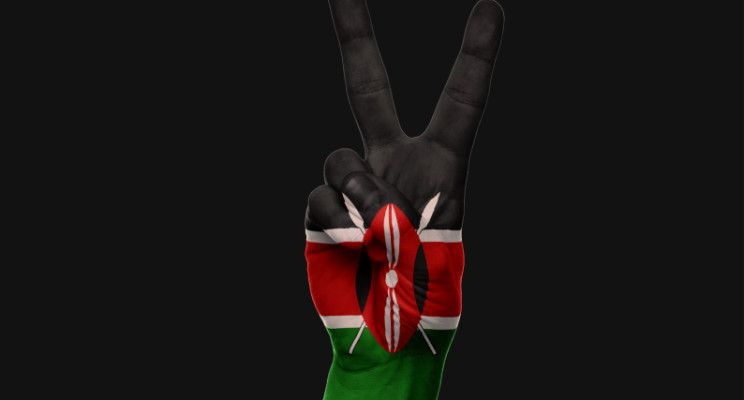
Kenya is gradually moving from tribal affiliations to what appears to be a generational tug-of-war, following the protests initiated by Gen-Z
Due to the protests against the bad governance by President William Ruto’s government, the majority of Gen-Z and Millennials have been accusing other generations of not only failing to join them in the protests but having failed them in the past by electing bad leaders who have brought the country almost to its knees.
The question is whether inter-generation competition will now replace tribalism. This question is debatable because after Ruto reshuffled the cabinet following the protests, the people of Central Kenya started feeling that Nilotes were grouping to isolate them.
Tribalism in Kenya has historically been a significant factor in political, social, and economic spheres, often defining allegiances and conflicts.
However, with each new generation, there seems to be a growing trend towards identifying more with generational cohorts rather than tribal groups, marking a subtle yet potentially transformative shift in Kenya’s social fabric.
This evolving dynamic reflects changing attitudes and priorities among Kenyan youth, pointing towards a future where generational unity and common aspirations may outweigh divisive tribal loyalties.
Tribalism in Kenya is a multifaceted issue deeply rooted in the country’s history, politics, and socio-economic landscape.
Understanding its genesis requires delving into several key historical events and socio-cultural dynamics that have shaped Kenya’s societal fabric.
The British colonization of Kenya profoundly influenced the formation of tribal identities. The colonial administration implemented policies that favoured certain ethnic groups over others, exacerbating existing divisions and creating economic disparities among different communities.
The divide-and-rule tactics employed by the British further entrenched tribal affiliations, as they exploited ethnic differences to maintain control.
Kenya has over 45 ethnic groups, each with its language, cultural practices, and historical narratives. This diversity, while enriching, also became a potential source of division when politicized or manipulated for socio-economic gain.
Kenya gained independence from Britain in 1963 under the leadership of Jomo Kenyatta, who himself hailed from the Kikuyu ethnic group.
The new government inherited a deeply divided society where ethnic loyalties were already entrenched. Kenyatta’s administration initially attempted to foster a sense of national unity, but political and economic power remained concentrated within certain ethnic elites.
Successive administrations, including Daniel arap Moi and beyond, often utilised ethnic patronage networks to consolidate power.
Political appointments, access to resources, and economic opportunities were frequently allocated based on ethnic affiliations rather than merit, further fueling tribal tensions.
Unequal distribution of resources, including land, jobs, and development projects, has been a contentious issue in Kenya.
Ethnic communities that perceive themselves as marginalised or excluded from economic opportunities often mobilize along ethnic lines to demand a fair share.
The land has historically been a flashpoint for ethnic tensions in Kenya, exacerbated by colonial land policies that favoured certain groups. Disputes over land ownership and allocation continue to contribute to tribal conflicts and grievances.
Episodes of political violence, such as those witnessed during the 2007-2008 post-election violence, underscore the dangers of tribalism in Kenya.
Ethnic mobilisation for political gain has led to cycles of violence and displacement, threatening national stability. The concept of a “generation divide” in Kenya refers to the growing divergence in perspectives, values, and experiences between different age cohorts within the population.
This phenomenon is particularly pronounced in a country like Kenya, which has a youthful demographic where a significant portion of the population is under the age of 35.
This younger generation, often referred to as Gen- Z and Millennials, is reshaping societal norms and dynamics in contrast to older generations, including Generation X and Baby Boomers.
Kenya has experienced rapid growth in internet penetration and smartphone adoption, especially among the youth. This has facilitated access to information, communication, and participation in global digital culture.
Younger generations are more adept at using technology for social interactions, education, and economic activities, creating a digital divide with older generations who may not be as familiar with or have access to these technologies.
Access to education has expanded significantly in Kenya over the past few decades. Younger generations, benefiting from improved educational opportunities, tend to be more educated, informed, and globally aware compared to their predecessors.
This difference in educational attainment influences their perspectives on issues such as governance, socio-economic development, and cultural norms.
The younger generation in Kenya is increasingly focused on economic empowerment, entrepreneurship, and career advancement.
They aspire to break away from traditional occupations and economic dependencies, seeking opportunities in sectors such as technology, innovation, and creative industries. This contrasts with older generations, whose career choices and economic aspirations were often influenced by traditional norms and economic conditions prevalent during their youth.
Globalization and urbanization have exposed younger Kenyans to diverse cultures, lifestyles, and ideologies. This has contributed to a shift in cultural norms and social attitudes, particularly regarding issues such as gender equality, environmental sustainability, and social justice.
Younger generations are more likely to advocate for progressive social changes and challenge entrenched societal norms compared to older generations who may hold more conservative views.
Youthful activism and political engagement have increased in Kenya, driven in part by dissatisfaction with older political structures and a desire for change.
The younger generation is more inclined to participate in advocacy, protest movements, and civil society organizations advocating for transparency, accountability, and democratic reforms.
This contrasts with older generations that may be more aligned with established political parties and traditional power structures.
The generation divide in Kenya reflects broader global trends where younger populations, empowered by technology and education, are reshaping societal norms and challenging traditional structures.
Embracing this shift presents opportunities for sustainable development, inclusive governance, and cultural enrichment. By fostering inter-generational dialogue, promoting education and digital literacy, and harnessing the energy and creativity of youth, Kenya can navigate the generation divide towards a more prosperous and harmonious future.
