Peace monitors in South Sudan have issued five conditions that will enable the country to hold elections in the next 18 months amid challenges in the implementation of the 2018 peace agreement, and as simmering violence is yet to be fully contained.
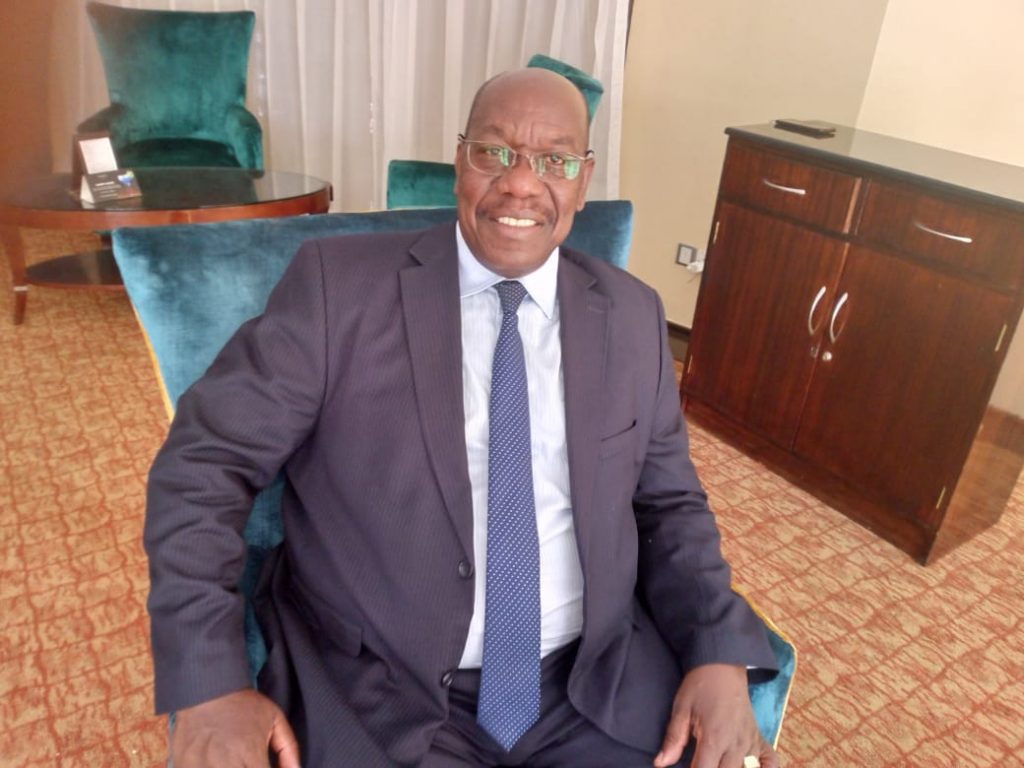
The chairman of the Joint Monitoring and Evaluation Commission (JMEC), Major-General (rtd) Charles Gituai on June 21 told the UN Security Council that for South Sudan to hold free and credible elections in December 2024, the unification and redeployment of forces must be completed in order to provide election-related security; institutions concerned with the preparation of conduct of elections such as the Political Parties Council and the National Elections Commission must be reconstituted.
The third prerequisite is to complete a people-centred permanent constitution to guide the conduct of elections; carry out judicial reforms to enhance the capacity and independence of the judicial institutions to deal with elections related disputes; and the improvement to the overall political and civic space in which multiparty elections are conducted.
“The 2018 peace agreement legitimises the transitional government of national unity and remains the most plausible blueprint for a peaceful transition. With prospects of elections looming only 18 months away, there is need for our collective efforts to focus on South Sudan at this critical time and ensure that the Agreement is implemented in letter and spirit,” said Gen Gituai.
JMEC is the official oversight body responsible for overseeing, monitoring and evaluating the status of the implementation of the 2018 peace agreement. But in report to the UN Security Council on the assessment of the South Sudan Peace Process, Gen Gituai outlined some of the archivements and the challenges that must be addressed in the next 18 months.
He said that over the last five years of the implementation of the Agreement, South Sudan has enjoyed its longest period of relative peace and stability since its independence in 2011. However, the pace of implementation of the agreement has been slow, as much of what was expected to have been implemented by end of the stipulated 36 months of the transitional period was not achieved.
Consequently, the revitalised peace agreement was extended for 24 months, from February 2023 to February 2025, to enable the completion of the unification of forces, the making of the permanent constitution, and to prepare for the conduct of credible, free and fair elections in December 2024.
In the overall, key achievements in the implementation include the fact that the parties have addressed the issues of governance with the executive and legislative arms of the transitional government having been established at both the national and state levels. The dispute over the number of states was resolved, and the peace agreement was incorporated into the transitional constitution. Also, some crucial legal, judicial, and institutional reforms are ongoing.
There have also been on the security arrangements, with an about 55,000 of the 83,000 of the unified have been trained. These troops remain in their training areas awaiting deployment to their respective units. However, Phase 2 and disarmament, demobilisation and reintegration (DDR) process is yet to commence. On humanitarian affairs, the opening of key humanitarian corridors has facilitated the return of some South Sudanese refugees and IDPs. However, over 2 million South Sudan refugees are still stuck in the neighbouring countries such as Kenya, Uganda, and Ethiopia.
Then the is the issue of that has had mixed progress. The government is currently drafting bills for the establishment of the Commission for Truth, Reconciliation and Healing (CTRH) and the Compensation and Reparations Authority (CRA). The process of establishing the High Breed Court to try those who committed war crimes and crimes against humanity since the civil war broke out in 2013, is yet to start. The law relating to the permanent constitution making has been enacted.
However, Gen Gituai said that there remain some challenges. There is the trust deficit among the parties; lack of adequate resources; lack of capacity of some institutions relevant to the implementation of the peace agreement; persistent levels of intercommunal violence in the states; negative activities of the holdout groups, and natural calamities like floods.
“Without predictable and adequate funding, our assessment is that South Sudan will continue to struggle to adhere to implementation schedule of the agreement Most recently, additional strain has been placed on humanitarian and other resources in South Sudan by the influx of refugees and returnees from the conflict in the Republic of Sudan,” said Gen Gituai.
According to a new survey released by the UN Mission in South Sudan (UNMISS) on June 21, the security situation in South Sudan declined in 2022 compared to 2021, with more than half of South Sudanese expressing concerns over their safety.
The UNMISS released the findings of its perception and public opinion survey conducted by an independent third party in which respondents cited hunger, disease, and the potential for physical violence as major threats to their personal security. “The upcoming elections are of considerable importance to the people of South Sudan. However, there is apprehension about the government’s ability to organize and conduct these elections, with many suggesting the need for UN support,” the UNMISS said.
The annual survey, which involves face-to-face interviews with South Sudanese adults across all 10 states, seeks to measure attitudes and perceptions toward the political, humanitarian and security situation in the country, as well as toward the role of the UNMISS. “While there is widespread awareness of the revitalized peace agreement, there is a significant disparity in understanding the specific contents, objectives and timeframes, particularly concerning the new roadmap,” the UNMISS said.
The UN mission expressed commitment to working alongside the government and regional and international partners to protect civilians, monitor and report on human rights violations, create conditions conducive to the delivery of humanitarian assistance, and support the implementation of the peace agreement, particularly preparations for the upcoming elections in 2024.