

Since Kenya’s President William Ruto took over power in September 2022, many foreign policy experts have complained that Kenya has lost out as the long-standing regional peace-maker, following many goofs regarding Sudan, DRC and the Israeli-Palestinian conflict.
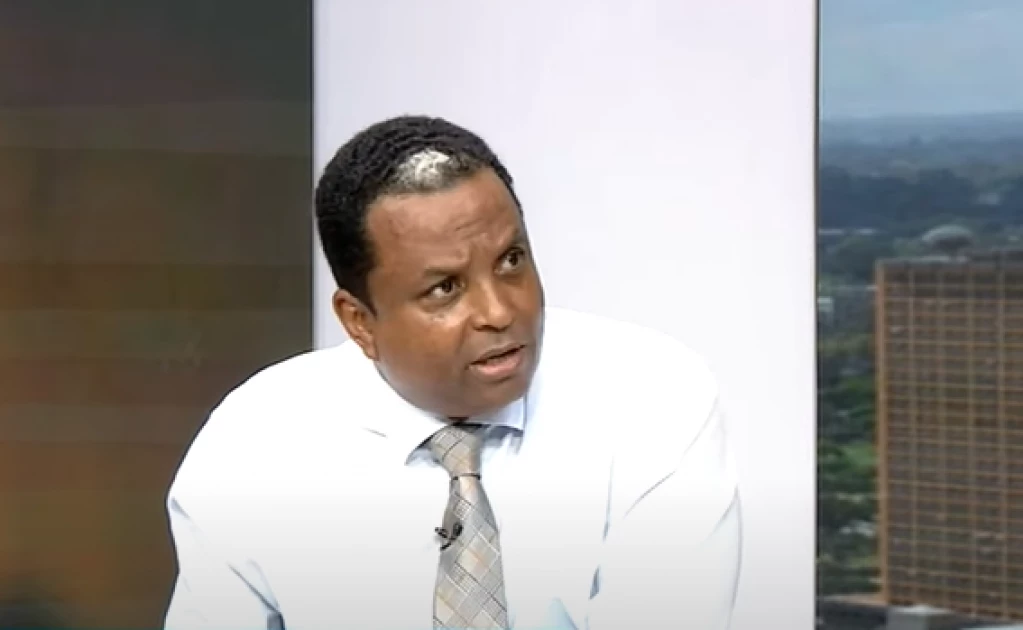
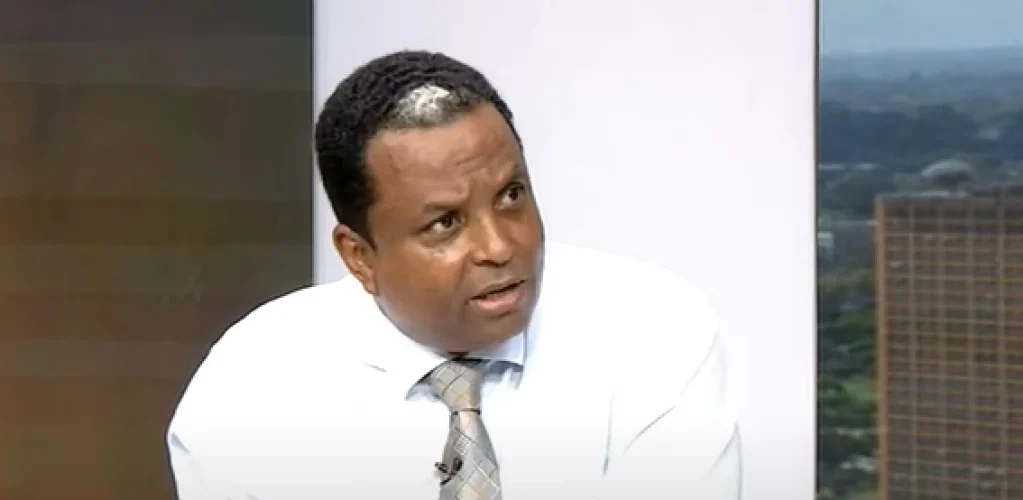
AHMED HASHI, a renowned Political Analyst and a Foreign Policy Expert, talks about the direction Kenya’s foreign policy has taken. Mr Hashi is an aspirant for the Langata parliamentary seat in the 2027 elections.
By Fred Oluoch
Can you briefly give the history of your involvement in politics?
I’ve worked in politics for the last 25 years. I was the Chief Director of Strategy and Policy for the Orange Democratic Movement (ODM) and one of the founders of the party. I was a party spokesman from 2005 to 2007. Secondly, I was a close aide to the former Prime Minister, the late Raila Odinga, serving as the Political Advisor.
Given your experience, what is your assessment of Kenya’s foreign policy since Ruto took over?
I think it’s the worst foreign policy direction that we’ve had since independence. We have never been at this level, even as a developing country. We’ve had our spotlight in world relations. Mr. Ruto has bungled the foreign policy of this country in a way that will be unforgivable in the near and short term.
His first policy—he misunderstood the politics of Morocco and the Sahrawi Republic and their integration. This is characteristic of his swashbuckling, individualist, and very arrogant attempts at being an expert in everything. He’s a zoologist—he knows nothing about foreign affairs.
Then secondly, the biggest disaster in Africa since independence has been the Sudan civil war. Mr Ruto has been accused of supplying arms to the Kenya Defence Forces (KDF). He is supporting the faction of Mr Hemeti of Rapid Support Forces (RSF), which means he is complicit in the civil war in Sudan.
What do you think of the new “Grand Strategy” in foreign policy?
There is no grand strategy—only grand incompetence. And this incompetence must be challenged. The Kenyan public has a chance during elections to change direction.
What is the likely impact of Kenya taking sides in the Sudan civil war?
First of all, Kenya has lost its clout in the region as a country that presided over the peace processes in Sudan and Somalia, and a trusted peace-keeper given the excellent performance that the country had in Namibia, Sierra Leone and Yugoslavia.
Secondly, Kenya is a prominent member of the East African Community (EAC), the Inter-Governmental Authority on Development (IGAD) and the African Union (AU). It’s wrong for a sister country to take sides—especially when the person you are supporting was part of the Janjaweed and someone who has been indicted for war crimes by the UN and other countries. The result was that Ruto was rejected by Sudan as an IGAD lead mediator, and Kenyan forces were also kicked out of DRC for taking sides. This perception led Kenya to lose the African Union chairperson position last February.
The region aside, how is Kenya currently perceived at the global scene?
Initially, Kenya under Ruto was trying to balance between the US and China. Now Kenya is no longer clearly aligned with either side. I think Ruto is playing domestic-style politics internationally. On global alignment, Kenya has also taken controversial positions—for example, supporting Israel in ways that contradict traditional African Union positions.
What is your view of the Foreign Minister, Musalia Mudavadi?
The foreign Minister is facing the challenge of a culture of impunity where the entire cabinet, including the foreign minister, is ineffective because Ruto micromanages everything.
Secondly, Mr Mudavadi appears ineffective, while some people see it as sheer incompetence. When members of the Kenyan civil society were abducted and tortured by the Tanzanian authorities in June 2025, Mr Mudavadi came out as defending the government of Samia Suluhu and blamed the abducted members of poking their noses into the internal affairs of a neighbouring country instead of demanding their release. Kenya also enabled the abduction and rendition of Ugandan opposition leader, Dr Kiia Besigye contrary to established diplomatic protocols that require extradition after a credible court process.
What is the difference between Ruto’s approach to foreign policy compared to that of former president Uhuru Kenyatta?
Mr Kenyatta was conservative, but he listened to advice. With Amina Mohamed in the foreign affairs docket, there was structure. Ruto does not listen—he imposes decisions. Kenya will align with whoever provides funding and infrastructure with fewer conditions.
There were also concerns that Kenya had sent troops to Haiti to deal with their domestic challenges. Comment?
That was another debacle. Kenyan officers were sent into harm’s way without proper preparation, protection, or coordination. No adequate support systems. It is part of a disastrous foreign policy.
Do you think it’s time for Kenya to withdraw from Somalia after 15 years?
There is something called mission creep. Kenya entered as a fighting force, then became peacekeepers, but now there is no exit strategy. We need to secure our borders and let Somalia resolve its own issues.
Looking at peacekeeping, has Kenya’s reputation changed?
Yes, due to poor leadership. In places like DRC, Kenya was perceived as taking sides, which undermines peacekeeping credibility. There are also serious diplomatic issues, including regional tensions and incidents involving foreign actors operating within Kenya.
Regionally, relations have deteriorated. Tanzania, Uganda, and others are pursuing independent strategies that sideline Kenya. Kenya has lost its leadership position.
Do you think Kenya has a consistent foreign policy regarding global issues?
Foreign policy depends on economic strength. A smaller country should focus on regional integration to amplify its voice. Without that, global influence remains minimal. Historically, Kenya’s foreign policy shifted from Western alignment to a more balanced approach. But currently, there are signs of external influence shaping decisions again.
Mr Hashi holds a Bachelor of Arts (Honours) from the University of York, Canada and a Master’s degree in Political Economy. He also worked in a parastatal as a Deputy Chair at the Kenya Bureau of Standards.