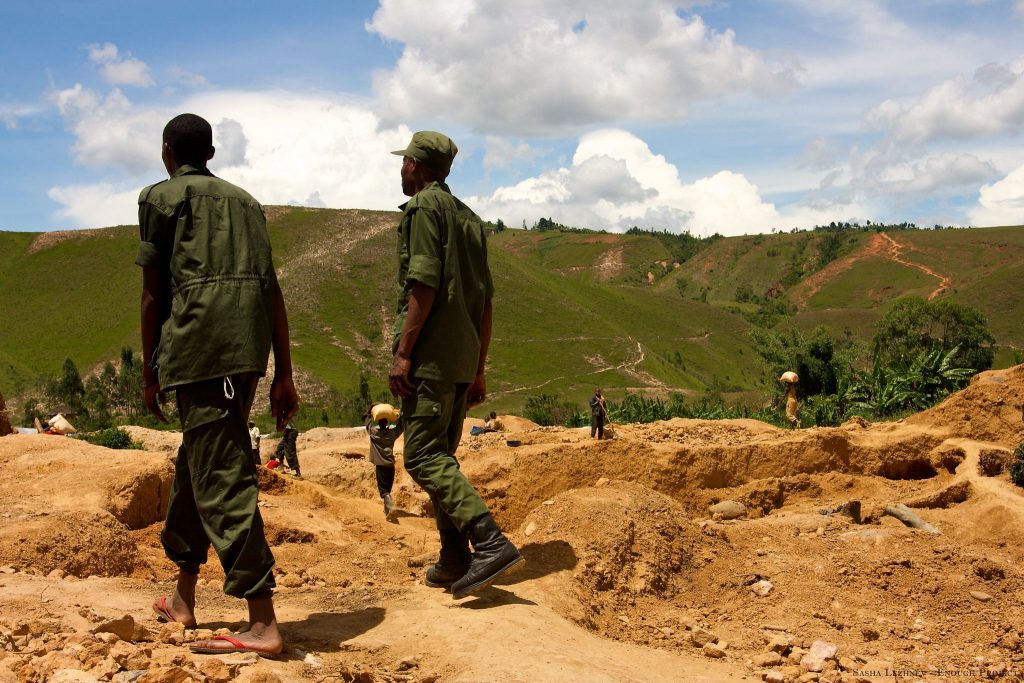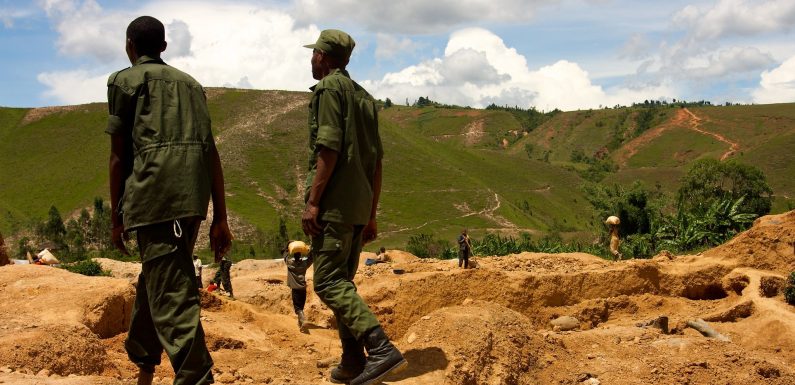
The Democratic Republic of Congo’s conflict-affected eastern provinces are home to numerous protected areas. These areas host unique biodiversity and a range of threatened species, such as the okapi, forest elephant and mountain gorilla. They are also part of the Congo Basin rainforest, which is a crucial line of defense against climate change. Mining is rampant in these areas.
In recent years, DR Congo has seen a sharp increase in semi-industrial mining which has had negative impacts on biodiversity conservation. Direct impacts include deforestation, soil degradation and water pollution. More indirect effects stem from the construction of new roads to make mining sites accessible, and population growth in the vicinity of mines. This leads to further natural resource exploitation, such as fuel and construction wood extraction, bushmeat hunting and shifting agriculture.
Research conducted by three proffesors, Judith Verweijen, Assistant professor, University of Groningen, Fergus O’Leary Simpson, Postdoctoral research fellow, University of Antwerp and Peer Schouten, Senior researcher, Danish Institute for International Studies shows that mining in the area has a considerable knock-on effect on conflict dynamics. It creates friction between different branches of the state and various administrative levels while semi-industrial mining has sparked conflict by prompting the sometimes violent displacement of artisanal miners.
This has led some of them to join armed groups, or to an upsurge in violent banditry. These three experts suggest that different agencies and layers of the state should cooperate and international donors should support administrative and security sector reform need to get the message across that profiting from mining in protected areas is not acceptable.