By Fred Oluoch
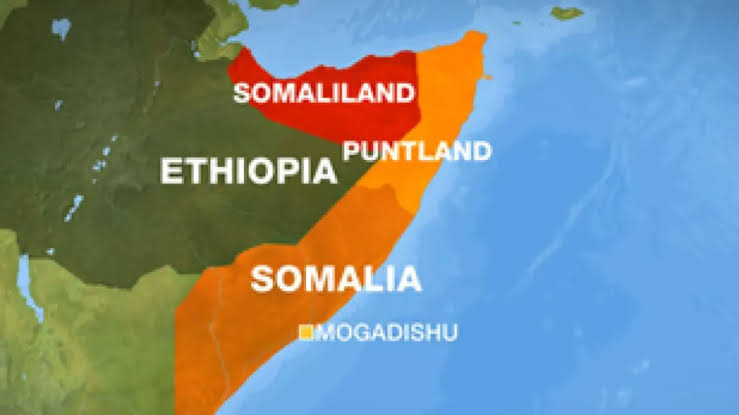
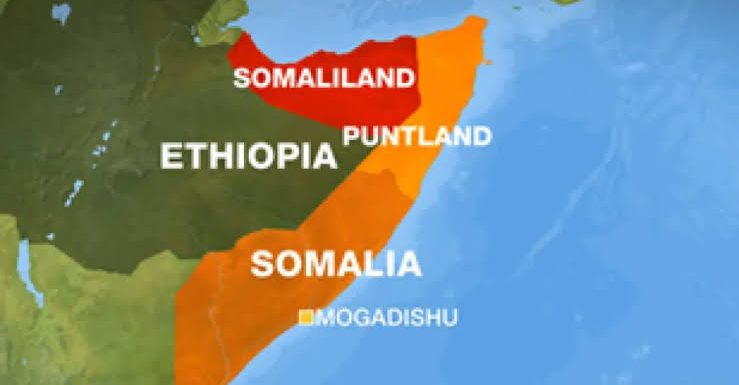
In a major shift from the general mood in Somalia, three presidential candidates urged the Somali people to consider a two-state solution to end the 35-year stalemate with Somaliland.
The three—Dr Abdukadir Abdi Ali, Dr Mahmoud Mohamed Mahmud and Prof Mohamed Ishaq Idow—under the umbrella of the Somali Presidential Candidates Council, also called for negotiations with militants Al-Shabaab to end the insurgency.
The trio were speaking at the Airport Hotel in Mogadishu on September 11, during a conference to engage the public on the need to follow the constitution and respect the electoral calendar.
Dr Ali, who is the chairperson of the council, told AfroEconomist that it is time that Somalia start looking for solutions to the two challenges, as well as putting an end to the trend of recycling politicians that has gone on since 2012.
“We need a fresh approach to old nagging issues such as Somaliland and Al-Shabaab,” said Dr Ali. Somaliland declared itself an independent republic in May 1991 following the outbreak of civil war after the fall of the government of Siad Barre.
So far, only Israel has recognised Somaliland, which has been lobbying for recognition by the African Union and the UN member states without success.
In January 2026, Israel recognised Somaliland, causing an uproar among the Federal Republic of Somalia’s top leadership, a move that Somalia watchers say is meant to secure a military base in the breakaway region.
Earlier in 2020, Taiwan began engaging with Somaliland to establish high-level relations. This caused a major protest from China that considers Taiwan an “inalienable” part of its territory.
The proposals by the Somali Presidential Candidates Council are likely to generate serious debate at a time the country is facing challenges on multiple fronts.
Somalia is facing the challenges of managing its own security in the face of a gradual drawdown of the AU mission in the country, the expected closure of international support structures by the UN, and an increasing political deadlock between the federal government and some federal member states, such as Puntland.
Speaking on behalf of two other presidential candidates at the conference, Dr Mahmud said that Somalia is undergoing historical moments where the country has the opportunity to correct the mistakes of the past, strengthen its national institutions, restore public confidence, and build a new generation that believes Somalia can become a united, peaceful, secure, prosperous, and law-governed nation.
He said that the Somali Presidential Candidates Council is a national platform dedicated to protecting the interests of Somalia, and not just a mere stage for promoting self-interests.
“We must work to move Somali politics away from personality, clan division, and narrow interests and toward a political culture based on the constitution, the rule of law, accountability, transparency, and the common good.
Dr Mohamud said that a presidential candidacy should not be seen as a war between personalities but a competition of national visions, because each candidate has a vision and a programme that they believe can lead Somalia toward a better future.
“We should compete respectfully based on ideas, policies, and leadership and stand together for Somalia once the election is over,” he said.
The council pointed out that Somalia must deal with a number of challenges before next year’s presidential elections. They include restoring security by adopting new strategies to deal with Al-Shabaab, embracing good governance and accountability, the youth agenda, and an economic development agenda that uplifts the lives of the common citizens.
On good governance, Dr Mohamud said that a country without strong institutions cannot build a strong future. “Our national resources are a trust belonging to the Somali people. We cannot accept a political culture in which national wealth is treated as the property of an individual, family, or group,” he said.
The council announced that it is considering establishing a national political agreement based on our shared national values in which every presidential candidate will undertake to respect and uphold the constitution, as well as a free, fair, and credible electoral competition.