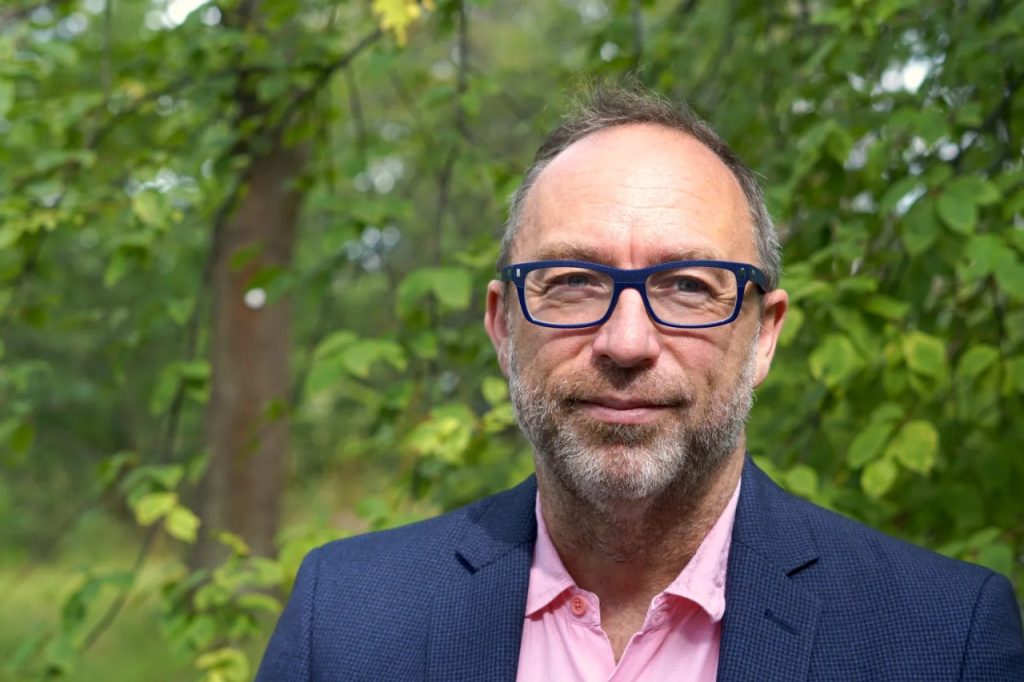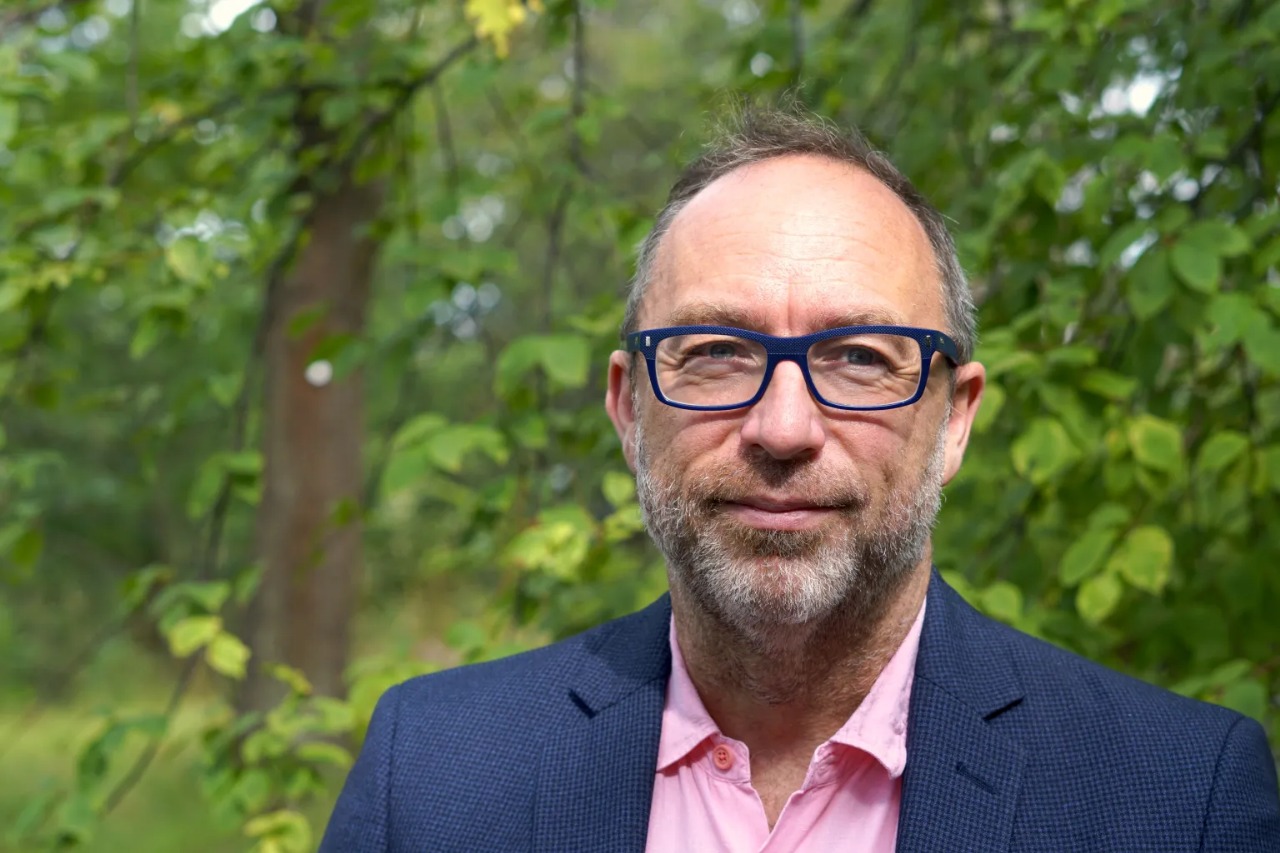
For 20 years, Wikipedia, the free online encyclopedia, has served as a platform for information and knowledge globally. While its free, collaborative, non-profit model has served it well over the years, the entry of other AI-assisted platforms and knowledge resources has come with serious competition. Wikipedia held a four-day Wikimania (Conference) 2025 in Nairobi, Kenya, where over 1,000 content providers and editors discussed the contribution of Africa to its growth. Wikipedia founder, JIMMY WALES, talks about its 20-year journey, success and challenges in the continent.
How did Wikipedia start?
My team and I came up with the idea in January 2001 when we started a project called Newpedia to try and bring together the online community, but it did not work because we lacked experience. We then developed the idea of Wiki, which existed for a few years before we started Wikipedia. We later realised that we got more work done in two weeks than we had in almost two years. So it was very exciting to get things started.
How has Wikipedia contributed to free information and knowledge in Africa and vice versa in its 20 years of existence?
I cannot say that we are the sole providers of free information and knowledge, but we are simply a community of people providing a free online encyclopedia for everyone, and Africa has been part of it.
Africa is a key growth region for the Wikimedia movement. We continue to see growth in participation and contributions on Wikimedia projects, enabling more people to learn and share from Wikipedia’s knowledge in their local languages. Africa is one of the fastest-growing regions for participation and readership on Wikimedia projects.
Between January and June 2025, there were over 178 million monthly average page views from Sub-Saharan Africa. Africa is one of the fastest-growing regions for participation and readership on Wikimedia projects. Local communities are driving impact. Technical contributions from volunteers in the region are helping support the long-term sustainability and accessibility of the projects.
Wikipedia content is available in 18 African languages, with Hausa, Igbo, Yoruba, Somali, and Zulu Wikipedias being the top five largest versions. What has worked for us over the years is the focus on openness and transparency, inviting many people to participate.
What was the Nairobi conference expected to achieve?
Wikimania 2025 was the first to be hosted in East Africa, reflecting growing leadership from African communities. It was an opportunity for those in Africa to learn from projects in other countries on the continent and beyond. And so learning from each other is very valuable. We had a very high participation from Africa this year, which is very exciting.
I saw a talk from some South Korean Wikipedians talking about how they greet newcomers using AI to sort of make a comment. Such kind of things help to build our movement and get lots of people excited about what they can do.
Can you give examples of some of the Wikipedia projects in Kenya?
Kenya alone contributed to an average of nearly 14.77 million page views on Wikimedia projects between January and June 2025. Between January 2024 through May 2025, Kenya ranked 3rd for Wikipedia readership in Sub-Saharan Africa, behind South Africa and Nigeria.
The Wikimedia Community User Group Kenya is one of the first-ever user groups in the African region that is led by women only. The group has been working to address the gender gap on Wikipedia – both enabling more content on women-related topics as well as more participation by women on the projects.
In the past six months, the team of Wikimedia Kenya has successfully trained 52 filmmakers in Nairobi on Wikipedia editing and uploading content to Wikimedia Commons. This initiative has significantly contributed to addressing content gaps related to Kenya’s cinema, arts, and cultural heritage on both Swahili and English Wikipedia.
Wikimedia Kenya has trained over 150 women and girls in digital literacy and fact-checking skills. This is in addition to translating at least 100 English Wikipedia articles into Swahili and other local languages spoken in Kenya, including Ogiek, Luo, and Kikuyu.
What about the rest of East Africa?
In Tanzania, Wikimedia Community Kilimanjaro is mobilising a new generation of volunteers, focusing on English and Swahili Wikipedia. One of their greatest achievements was the Wiki for Autism Awareness, a collaborative event dedicated to recognising and honouring individuals and organisations who have significantly contributed to raising awareness about autism.
It is focused on creating, improving, and expanding Wikipedia articles highlighting the inspiring work of autism advocates. As a result of the campaign, 29 editors were trained, 50 articles were improved, and 15 new articles were created.
In Uganda, the Wikimedia Community User Group organises volunteers each year to promote knowledge creation and sharing on Wikimedia projects in local languages. This year’s campaign saw a huge interest from Uganda and focused on writing articles both in English and Luganda, aimed at amplifying Uganda’s rich heritage through contributions and more volunteer engagement.
The Wikimedia Rwanda Wiki-Club initiative empowers Rwandan youth by fostering digital literacy and open knowledge through student-led clubs in schools and communities.
These clubs enable students to develop critical skills like research, writing, and digital content creation while contributing to platforms like Wikipedia and Wikimedia Commons, documenting Rwanda’s culture and history in underrepresented languages such as Kinyarwanda. By bridging the digital divide, amplifying local narratives, and enhancing education, the initiative promotes inclusivity and equips students for the digital economy.
Some patrons complain that sometimes information from Wikipedia is either misleading or outdated. What are you doing about updating the information?
The important thing about Wikipedia is that we push for reliable sources. It’s always been fundamental. We want to be as high-quality as we can. Wikipedia information, on a few occasions, may not be perfect, but we all have to remain focused on improving.
Anyone is allowed to add to the contents of Wikipedia provided they maintain three principles: the contents must be well sourced with citations that can be verified; neutrality of information without opinion or bias; and there must be transparency showing how the article has evolved historically.
Is the free knowledge model sustainable?
Yes. In Wikipedia, we strive for everything to be free license. You can copy it, modify it, and redistribute modified versions. It’s our gift to the world to share, take it, and do as you like, which means there are all kinds of interesting projects that come up. There’s a group called Keywigs, and they put Wikipedia in an offline reader for people who have weak internet access. This is very popular with schools.
Obviously, as a charity, we do have to take fundraising very seriously because we have to pay the staff and the servers and all of that. So that’s something we always have to focus on. But so far, the public is supporting this very well, and we’re able to support local chapters around the world. And I think the most important thing is the sustainability for me is really about getting new people involved, getting young people editing Wikipedia.
What are some of the challenges Wikipedia is facing with the advent of AI?
There is not much difference. One of the great things about Wikipedia is that it is very human-focused. It is about people writing, people discussing, people talking. However, the AI world is coming, and there are going to be some things that I think are very interesting. One of the things I think is important is machine translation, which has become much, much better. So this is very helpful to our community.
In the past, if one wanted to write about some obscure historical event in Korea and all the sources were in Korean, one didn’t have much hope. But now one could look at those sources and compare them to English. In that case, people are now able to learn more about different cultures and different countries. And obviously, this is huge all around the world.
xxxxxxxxxxxxxxxxxxx
BIO
Born in Huntsville, Alabama, Jimmy Wales is an American internet entrepreneur known for co-founding the free, collaborative online encyclopedia Wikipedia and the Wikimedia Foundation.
He also co-founded the wiki-hosting service Fandom (formerly Wikia) and holds a position on its board. Educated in finance, Wales transitioned from futures and options trading to internet ventures, with Wikipedia’s launch in 2001 transforming how people access and contribute information.
He holds degrees in Finance from Auburn University and the University of Alabama. He is an advocate for open knowledge and freedom of speech on the internet. He has been acknowledged for his contributions by organisations such as the Electronic Frontier Foundation.