By Charles Omondi
After all Africa’s 10 representative to the 2026 World Cup have run their race, it is now time to reflect on the global soccer fiesta that was, for the first time, hosted by three countries; the US, Mexico and Canada.
All the members of the Confederation of African Football (CAF) must return to the drawing board to dissect the lessons picked from the competition, with a view to preparing better for the next tournament in 2030.
As fate would have it, the 2030 soccer fiesta will be partly held in Morocco, in Africa, and the expectations will be a notch higher for the continent to prove its mettle. Portugal and Spain will be the other hosts of the now 48-team competition. It will be only the second time Africa is hosting the Fifa World Cup that was inaugurated in 1930, with the very first tournament hosted and won by Uruguay. South Africa hosted the 2010 event that was won by Spain.
Algeria, Cape Verde, Cote d’Ivoire, the Democratic Republic of Congo (DRC), Egypt, Ghana, Morocco, Senegal, South Africa and Tunisia were the CAF flag bearers. Though the teams fell short of breaking the semi-final ceiling set by Morocco in Qatar in 2022, Africa’s performance was, by and large, impressive. Only Tunisia failed to make it past the round of 32, and Egypt and Morocco went all the way to the group of 16.
Egypt, who made their debut in the knockout stages, eventually fell to Argentina in the group of 16, but not before giving the reigning champions a scare. Indeed, the Pharaohs exited the tournament with their heads held high, and were accorded a befitting welcome back home.
mammoth crowd gathered at the el-Alamein airport, waving photos of talisman Mohamed Salah as they celebrated the team’s achievements. Egyptian President Abdel-Fattah el-Sissi took to Facebook to thank the team “for their honourable performance and for achieving an unprecedented milestone in the history of Egyptian soccer”.
The performance of the Eagles of the Carthage, as the Tunisians are fondly known, was startling to many pundits, considering their rich World Cup legacy. Placed in Group F, the Tunisians lost all their round-robin matches. They suffered 3-1 loss to the Netherlands, and 4-0 defeat to Japan on June 20. The consecutive defeats came shortly after a 5-1 hammering by Sweden in the opener.
The Tunisians, who made their tournament debut in 1978 in Argentina, were the first African team to win a World Cup match when they beat Mexico in 1978. They have made several other appearances, but have never progressed beyond the group stages.
Africa generally performed better than Asia, central America and Oceania. However, the CAF representatives still failed to measure up to the level of the undisputed global soccer giants; Europe and South America.
The answer to what Africa should do to improve, going forward, should be as simple as A, B, C, D. The continent must invest in the domestic talent identification and development. The traditional overdependence on the foreign leagues, particularly in Europe, for skills discovery and nurturing, is a flawed strategy that is unsustainable. If anything, it has been inimical to the continent’s progress, as several players of African descent end up committing their loyalties to their adopted countries, with admirable success. One only needs to look at the ‘black’ French squad, still ranked the tournament favourites, to see this point.
DRC’s manager Sébastien Desabre had to primarily rely on European diaspora professionals, to build his squad. However, one Mayele Fiston Kalala proved that talent can also be nurtured in Africa. Though largely based in Africa at club level, Mayele was a vital part of the Leopards’ attack, memorably scoring a goal in their 3-1 group stage win over Uzbekistan.
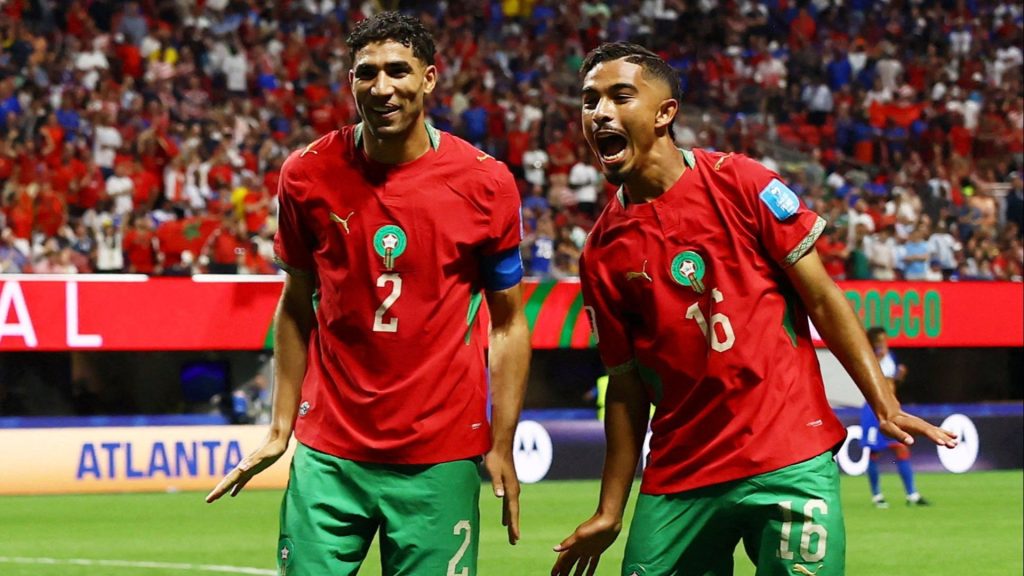
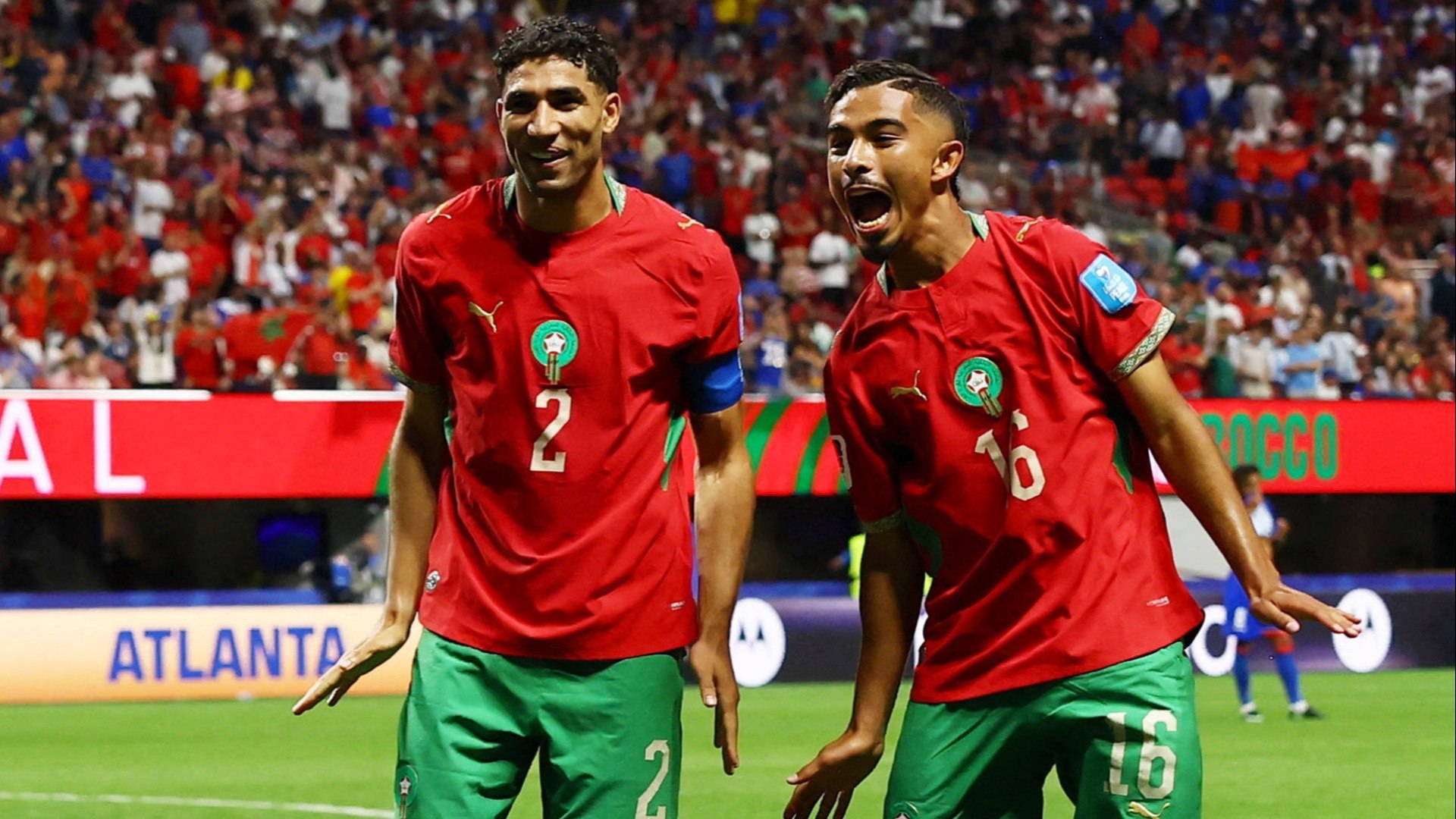
That Morocco was, for the second successive time, Africa’s most successful World Cup campaigner, was not by chance. Morocco’s soccer development is widely regarded as one of the most successful sporting blueprints in Africa, driven by the Royal Moroccan Football Federation (FRMF) and anchored by the world-class Mohammed VI Football Academy. This nationwide, state-backed strategy is decentralised into 12 regional academies, mandates professional academies for domestic clubs, and integrates players developed abroad.
If the rest of Africa could borrow a leaf from Morocco, the prospects for a better World Cup performance, beginning in 2030, would most likely be enhanced.