The yet to be fully settled war between the US and Israel against Iran has awakened the African continent to fully embrace energy diplomacy and focus more on renewable energy.
The joint US – Israeli military operation against Iran that begun on February 28, has precipitated shortages of oil and gas, and triggering surges of prices, especially in the Indo-Pacific region of Africa and Asia.
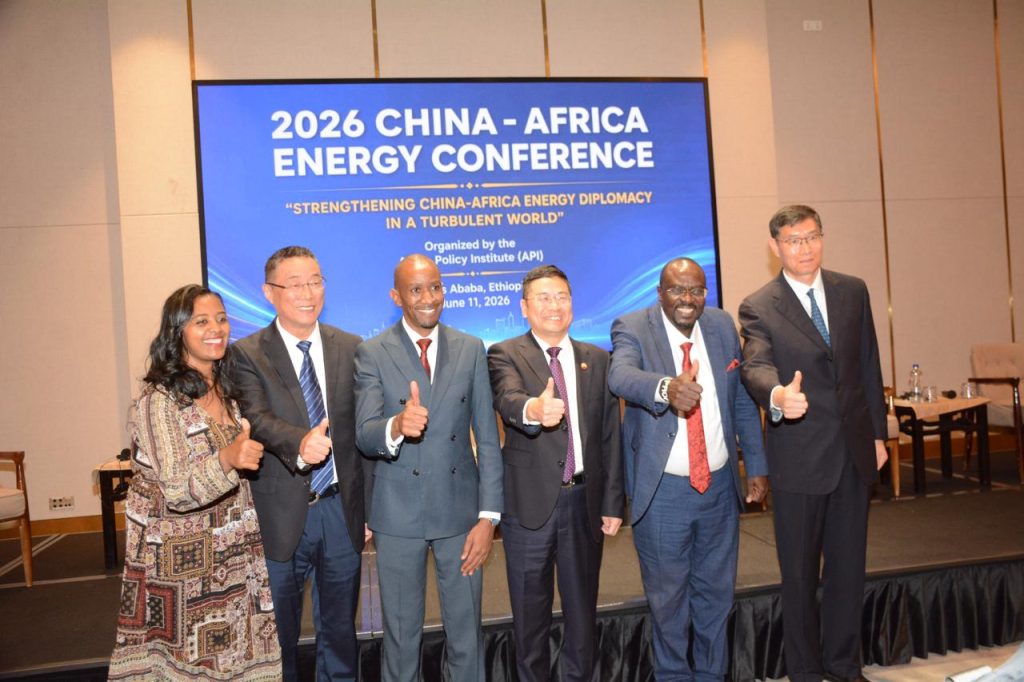
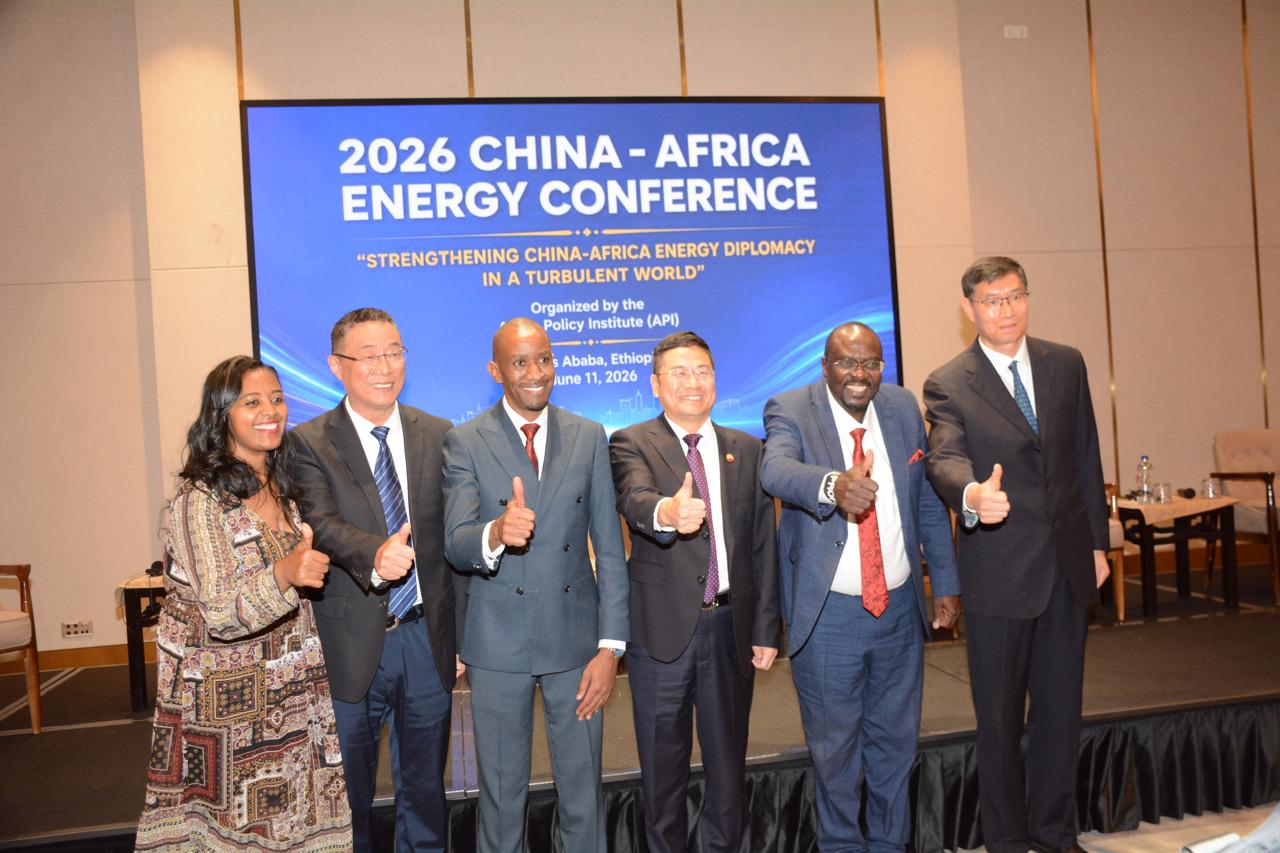
In response, the 2026 China – Africa Think Tank Energy Forum organised a conference in Addis Ababa, Ethiopia on June 11 to brainstorm on how Africa and Asia can navigate future energy shocks that emanate from conflicts that are not necessarily their cause.
The conference entitled: Strengthening China-Africa Energy Diplomacy in a Turbulent World and hosted by Africa Policy Institute (API) and China National Petroleum Corporation (CNPC), explored the far-reaching geopolitical, economic and energy implications of escalating tensions between the United States and Iran.
It brought together experts from Africa and China in which the discussion examined how contemporary conflicts in the Middle East are reshaping global energy governance, disrupting supply chains, and redefining strategic partnerships between China and Africa.
Key topics that were discussed included; how can energy diplomacy be used to address the dual energy and security crisis in the Middle East and safeguard the security of the global energy and supply chains, and how can the existing China-Africa Energy cooperation framework be used to support energy diplomacy within Africa and globally in response to the conflict in the Gulf region?
The Middle East remains the world’s most strategically significant energy-producing region, accounting for a substantial share of global oil and natural gas exports.
Discussed at length was the future of energy diplomacy in promoting renewable energy and promoting China-Africa energy security. Energy Diplomacy simply means how countries use oil, gas, electricity, renewable energy, pipelines, and energy investments as tools of international relations.
The conflict has triggered immediate surges in oil and gas prices, widespread disruptions in aviation and tourism, and heightened volatility in financial markets.
Strikes on gas and oil facilities and closure of the region’s major shipping routes such as the Strait of Hormuz, a choke-point that handles over 20 percent of the global oil, could lead to global inflation and even worldwide recession.
Nearly 90 percent of the oil passing through the Iran-controlled chock-point is destined for East and Central Africa as well as East and South Asia. According to the head of the International Energy Agency (IEA), the war has precipitated the “greatest global energy security challenge in history.”
The conference concurred that a robust global energy diplomacy, as an instrument of foreign policy, is what the world urgently needs to safeguard economic and energy security, restoring the available, reliable and affordable flow of oil and gas.
The discussions identified energy diplomacy as one of the most effective instruments for addressing contemporary geopolitical risks. Panelists described energy diplomacy as the intersection of foreign policy, economic cooperation, security strategy, and sustainable development.
“In an era of growing geopolitical competition, energy diplomacy serves several critical functions: approach to energy policy that prioritizes affordability, accessibility, reliability, and sustainability,” the conference said in the final report.
Diplomatic engagement can reduce tensions and foster cooperative mechanisms among energy producers, consumers, and transit countries. The panel warned against the use of energy resources as geopolitical tools or instruments of coercion. Such practices undermine market stability and increase systemic vulnerabilities.
Regional energy cooperation can improve resilience by diversifying supply sources and enhancing cross-border infrastructure.
Energy diplomacy can facilitate technology transfer, investment partnerships, and knowledge exchange that contribute to long-term development goals. The panel emphasized that diplomatic engagement remains significantly less costly than conflict and offers more sustainable solutions to energy-related disputes.
Economic meltdown stoked by the war has undermined overall agricultural production and pushed the risk of food insecurity to emergency levels especially in low income households and import dependent economies.
The conference noted that the Middle-East energy and security crisis is eroding the economic gains made by decades of Africa-China cooperation, including energy markets, food security, and economic resilience and progress.
However, the Iran crisis could see the shift away from fossil fuels suffering some short-term setbacks as a result of economic drawback precipitated by war. Already, countries and regional blocks like the European are taking a step back in their commitment to climate policies as a response to soaring oil prices. For example, the European Union is scaling back its flagship climate policies and geopolitical aims to ease the energy shock.
Experts were concerned that the spiraling energy crisis could slow down effective implementation of the China-Africa energy security agenda within the “Energy Cooperation” framework adopted during the 2024 summit of the Forum for China-Africa Cooperation (FOCAC).
FOCAC is the primary multilateral coordination platform between China and 53 African nations (plus the African Union Commission). Established in 2000, it meets every three years to deepen political dialogue, expand economic relations, and announce major infrastructure, trade, and development commitments
The framework can also form a central plank of China-Africa energy diplomacy in response to the on-going conflict in the Middle-East and its global ramifications.
The experts resolved that a robust China-Africa energy diplomacy is important in addressing the crisis in the Middle East and building a long-term ‘clean energy shield’ strategically to a sustainable energy and security future.
Besides, the Iran war is popularizing the idea of ‘clean energy shield,’ with calls on the world to grow its renewable energy capacity to boost energy independence. Experts predict that the Middle East crisis could create a watershed moment for the transition to clean, renewable energy.
A key conclusion from the session was that Africa is no longer a peripheral actor in global energy geopolitics. With its vast renewable energy resources, critical minerals, growing markets, and strategic geographic position, Africa is increasingly becoming a central player in shaping future energy security frameworks.
The conference noted that investments in renewable energy can simultaneously improve energy security, reduce geopolitical exposure, support climate commitments on renewable energy, generate employment opportunities and enhance economic competitiveness.
Africa possesses the resources necessary to become a global leader in renewable energy generation and green industrialization if supported by appropriate investments, policies, and international partnerships.
Among Africa’s comparative advantages in regards to renewable energy include; vast solar and wind energy potential; significant hydropower resources; large reserves of natural gas; critical minerals essential for clean energy technologies, including lithium, cobalt, graphite, manganese and rare earth elements, especially in the Democratic Republic of Congo (DRC).
The conference came up various recommendations for African governments, China-Africa Cooperation Mechanisms and the international actors. To African governments, the conference recommended that there is need to accelerate renewable energy investments, strengthen regional energy integration initiatives, develop local value chains around critical minerals, and reduce dependence on imported fossil fuels.
For China–Africa Cooperation Mechanisms, the experts said that it necessary to expand technology transfer and capacity-building programs, promote green industrialization and clean energy investments, support research and innovation partnerships and develop resilient and diversified supply chains.
On the other hand, International Actors need to prioritise diplomatic engagement and conflict prevention, strengthen multilateral energy governance frameworks, protect critical maritime and energy infrastructure, and enhance cooperation on energy security and climate action.