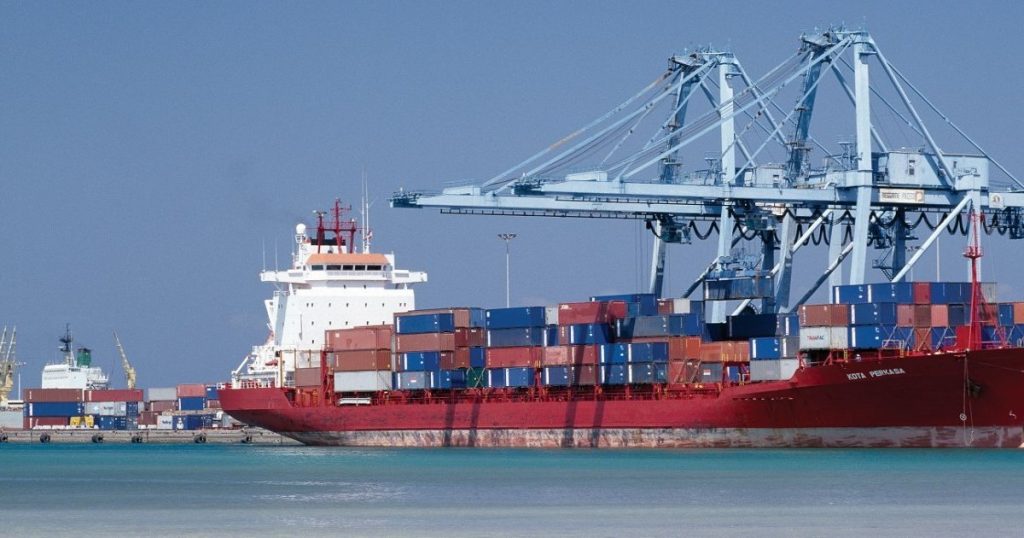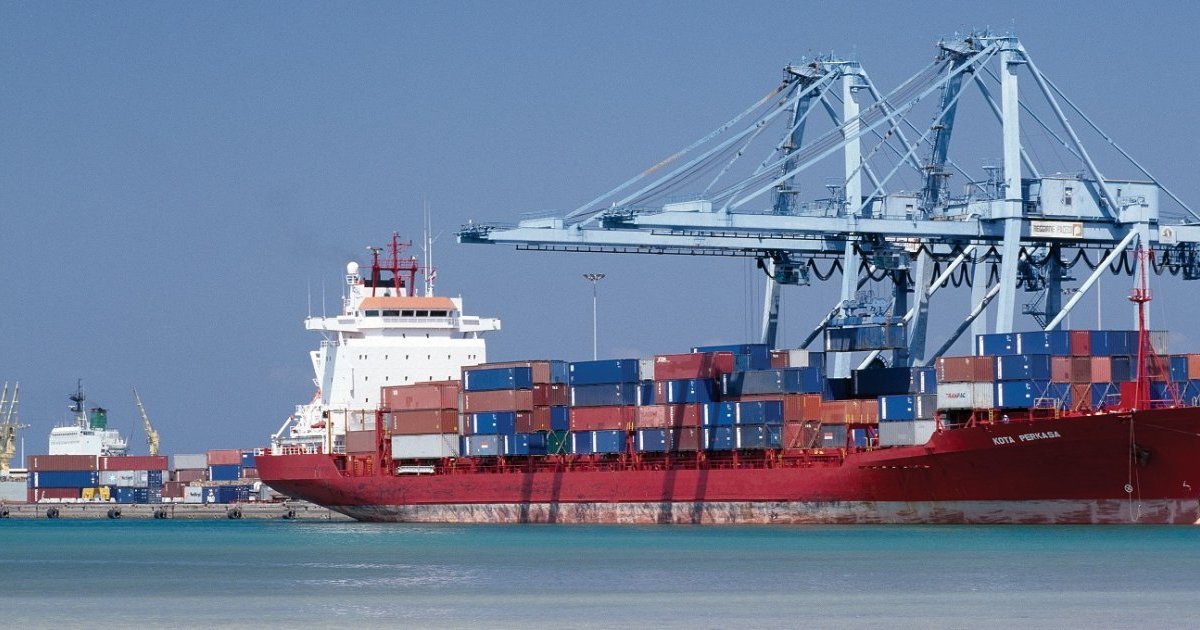
Tanzania’s leading port of Dar es Salaam is set to expand its handling capacity from the current 20,000 to 60,000 containers following the ongoing expansion.
Dar es Salaam port provides a maritime gateway for 90 percent of Tanzanian trade and is also the access route for international trade serving seven landlocked countries such as Zimbabwe, Malawi, Zambia, Burundi, Rwanda, Uganda, as well as DRC.
Currently the port is undergoing expansion programme to ease handling of cargo along its berths and reduce the stress on offloading of containers from ships.
The government has engaged the services of Egyptian investors to undertake the construction of the four additional berths at the Dar es Salaam port, aiming to enhance efficiency at Tanzania’s primary maritime hub, which is currently facing challenges due to increased cargo volumes.
The envisaged construction of berths named 12, 13, 14 and 15 respectively, is part of efforts by the Tanzania Ports Authority (TPA) to create capacity to meet the current boom in ships calling at Tanzania’s main sea gateway.
TPA’s Director General Plasduce Mbossa, revealed during a meeting with the visiting Egyptian delegation led by Minister for Transport Kamel Al-Wazir, that the cost of completing a single berth ranges between $ 100 million and $ 150 million.
Apart from Dar es Salaam port, Tanzania other two main gateways linked to the outside world, Tanga and Mtwara sea ports.
Tanzania has witnessed increase in the number of ships that docked at the Dar es Salaam port, since the expansion started in 2017 during the fifth phase government of the late President Dr John Magufuli.
According to Mr Mbossa, Tanzania government has been implementing a number of projects aimed at modernizing the port including upgrading its existing berths which are outdated and do not match modern maritime infrastructure transport.
The government is using the 10-year World Bank facility worth $421 that started in 2017 for the expansion. The project involves two phases; the first phase covered the expansion of seven berths. The work includes drilling and widening of the entry-pathway, container yards and construction of railway.
The second phase covers the expansion of four berths from number 8 to 11 whereby at every berth there has been an increase of meter depths from 8.5 meters to 14.5 meters.
On completion, the port will increase its handling capacity of the imported vehicles threefold from the current 163,000 vehicles annually.