In August 2026, the US signed a security agreement with Somalia’s northeastern federal member state, Puntland, without Mogadishu’s approval. That means that the US intends to expand the military base in Bosaso, bypassing the federal government in Mogadishu
The deal was signed in Bosaso by Puntland President Said Abdullahi Deni and the US Africa Command (AFRICOM) delegation led by Maj. Gen. Claude Tudor.
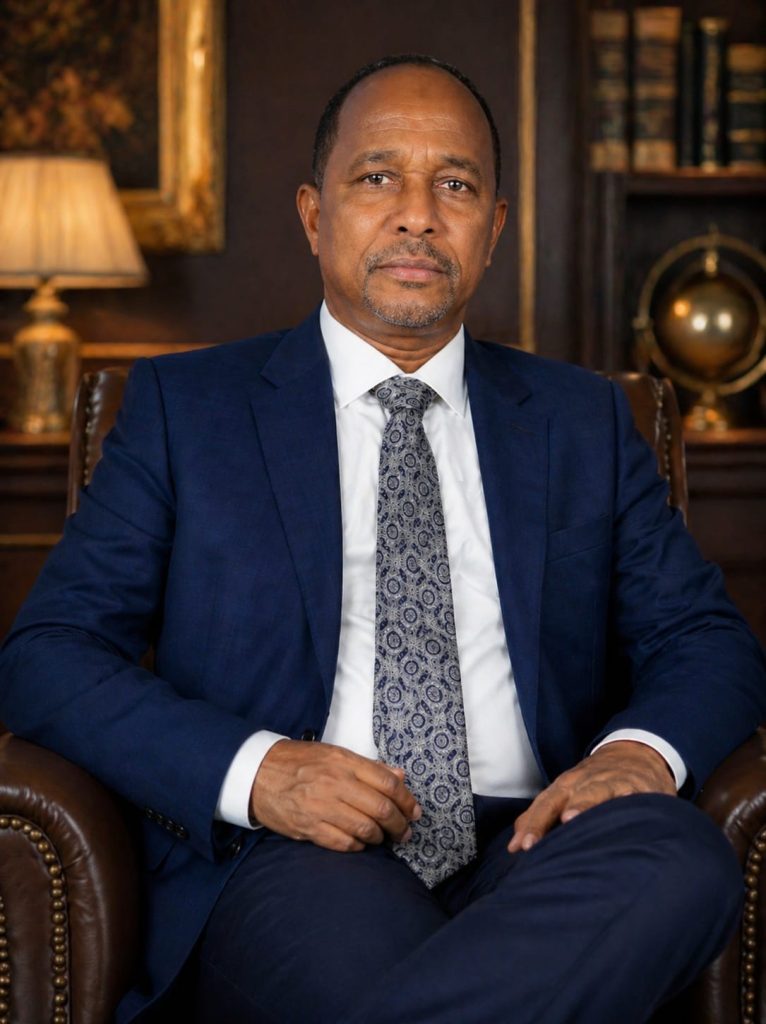
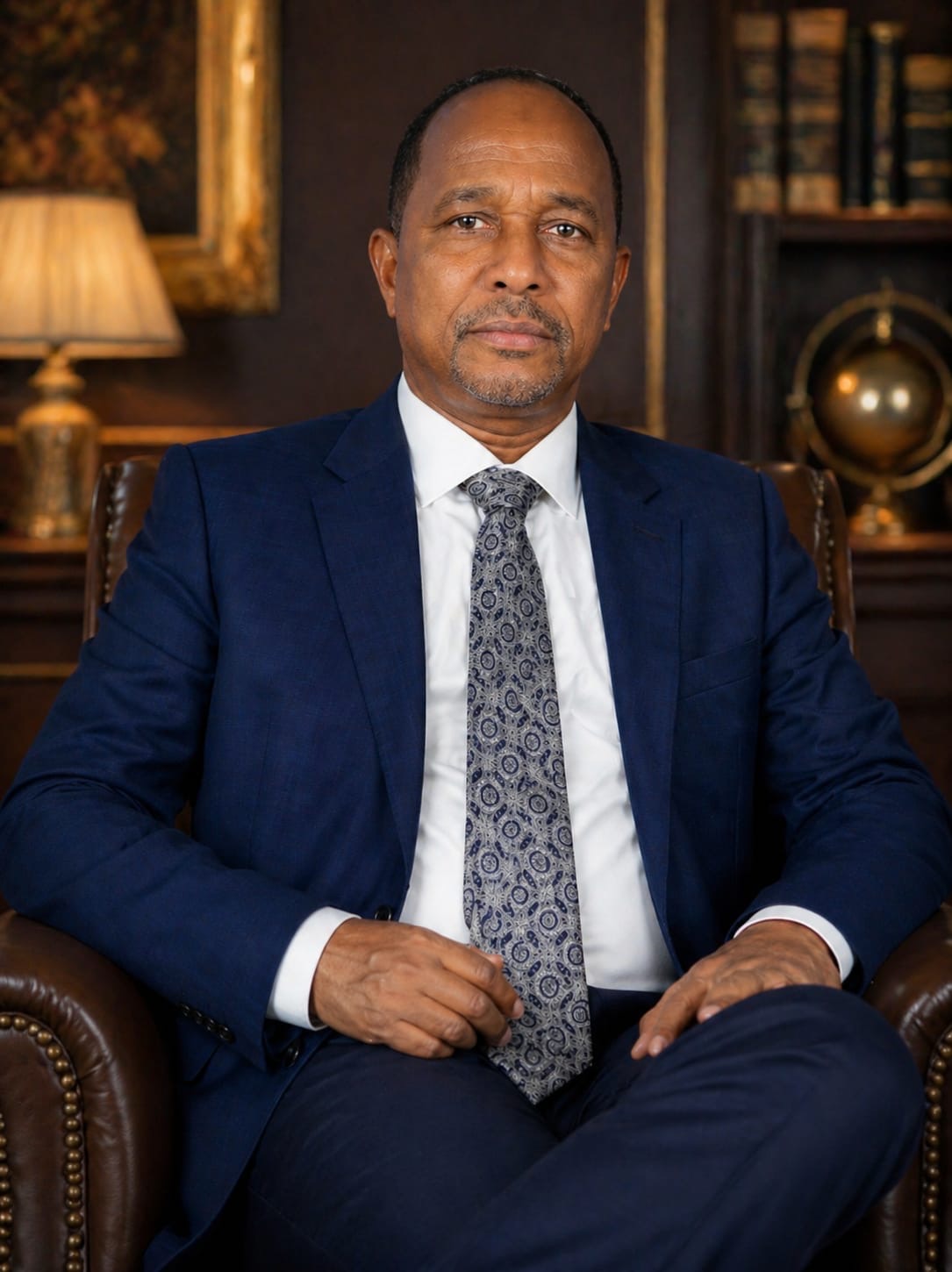
The agreement aims to expand the American military facility in Bosaso to bolster counterterrorism and maritime security in the Red Sea and the Gulf of Aden. Following the move, one of the leading presidential candidates in next year’s elections, MOHAMUD MOHAMED MOHAMUD, reacts to the situation.
In your view, was it a deliberate pass at Somalia’s sovereignty?
Let me be absolutely clear: Somalia is one sovereign nation. Our Constitution and international law recognise the federal government as the sole authority responsible for foreign affairs and national defence.
If a foreign government chooses to negotiate security arrangements directly with a federal member state while bypassing Mogadishu, it raises serious questions about respect for Somalia’s constitutional order.
Whether it was intentional or not, the effect is the same—it weakens confidence in our national institutions and creates unnecessary political tensions. The real question is not only what Washington did. We must also ask why Somalia has become vulnerable to such situations. A strong, united and respected Somalia would leave no room for ambiguity. That is the Somalia I intend to build.”
How legal were Washington’s actions, and would that even work in terms of international law?
International law recognises states—not regions—as subjects of sovereignty. The Federal Republic of Somalia is the internationally recognised state. Federal member states are constitutional entities within that state; they do not independently conduct foreign policy or conclude defence agreements on behalf of Somalia.
If an agreement concerns national security, military cooperation or defence policy without the authorisation of the federal government, then serious constitutional and legal concerns arise.
Ultimately, legality depends on the exact nature of the agreement, but the principle remains clear: Somalia’s sovereignty cannot be fragmented. As President, I will ensure that our international partners have one clear counterpart when it comes to Somalia’s national interests.”
Earlier this month, the president of Somaliland met with U.S. Major General Claude K. Tudor Jr. to discuss strategic security cooperation and maritime security. What does that meeting tell us about the US intentions toward Somalia’s sovereign territory?
I don’t believe foreign policy should be based on speculation about intentions. I judge countries by their actions. The Horn of Africa has become one of the world’s most strategic regions. Every major power is competing for influence because of the Red Sea, maritime trade, counterterrorism and regional security.
That reality means Somalia must become a serious state capable of shaping events rather than reacting to them. If any foreign engagement undermines Somalia’s sovereignty, I will oppose it firmly through diplomacy. But I also believe Somalia must become a country that international partners cannot afford to bypass. Respect is earned through strength, unity and competent leadership.
The US has also terminated about $500 million in annual funding for the UN Support Office in Somalia. Around the same period, Somaliland opened an office in West Jerusalem. Many people see these developments together. What is your interpretation?
I understand why many Somalis are asking questions about the timing. However, leadership requires evidence, not assumptions. I am not prepared to conclude that these events are coordinated without credible proof.
What concerns me is something much bigger. Somalia’s relationship with international partners should never become so fragile that major policy shifts happen without serious consultation. If elected, I will pursue a foreign policy based on mutual respect. We welcome partnerships but reject dependency. We will engage every nation from a position of dignity while protecting Somalia’s constitutional integrity.”
AFRICOM’s commander recently said that if Somali leaders fail to resolve political disputes and institutional dysfunction, continued U.S. military engagement could become unsustainable. What is your response?
I actually agree with one part of that statement. No foreign military partnership can compensate for domestic political failure. If Somali leaders remain divided, no international partner can build stability for us. That responsibility belongs to Somalis.
Where I differ is this: Somalia’s future security cannot depend indefinitely on foreign troops. Our objective must be to build professional armed forces, capable intelligence services, and accountable institutions that protect our people without permanent external dependence. That requires political reconciliation, constitutional clarity and leadership that puts the nation above personal interests. That is exactly why I am running for president.
Ultimately, what is your overall assessment?
This election is not about America. It is not about Israel. It is not about any foreign capital. It is about Somalia. We cannot control the interests of other nations, but we can control the strength of our own institutions.
I believe in a Somalia that is united at home, respected abroad, and confident enough to engage every nation as an equal. We will defend our sovereignty through competent diplomacy, strengthen our state through reform, and build a country where no foreign government ever doubts who speaks for Somalia. We, as a presidential campaign, want to engage every nation from a position of dignity while protecting Somalia’s constitutional integrity.